
Velvet mesquite
Neltuma velutina
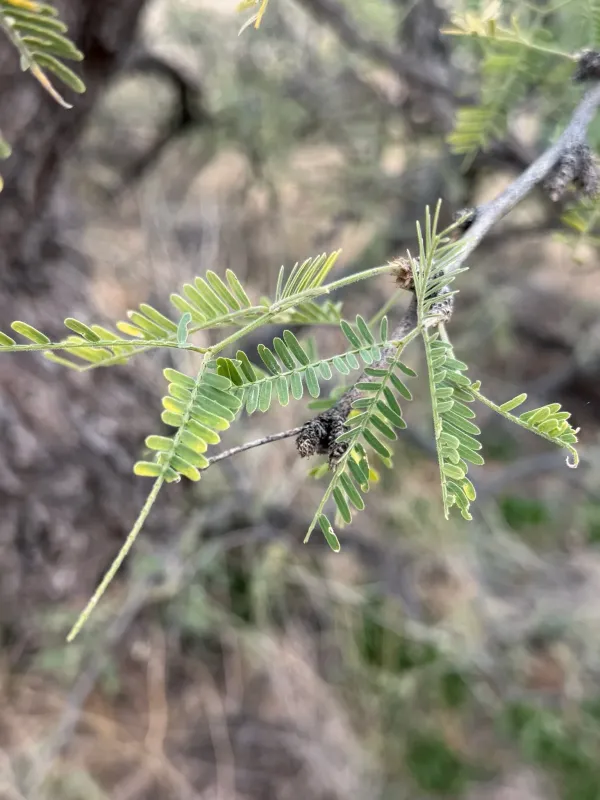
Description
Growing requirements
Velvet mesquite (Neltuma velutina) is a deciduous tree belonging to the Fabaceae family, native to the arid and semi-arid regions of the southwestern United States and northwestern Mexico.
This species is renowned for its exceptional drought tolerance, achieved through a dual root system that taps into both surface moisture and deep groundwater reserves.
It thrives in well-drained, alkaline soils and is highly adapted to high-temperature environments. It requires significant solar exposure and will not perform well in shaded conditions.
As a nitrogen-fixing plant, it plays a vital role in soil enrichment, making it a sustainable choice for reclamation projects in depleted or damaged environments.
Optimal agrotechnical management involves wide spacing to accommodate canopy expansion and minimal irrigation once the trees are established, as excess water can cause root stress.
Yield
The primary yield from Velvet mesquite consists of nutritious pods, which are a valuable source of protein and sugar for livestock, especially in desert climates.
The wood produced by this species is highly valued for its hardness, density, and resistance to decay, making it a premium material for high-end carpentry and durable flooring.
When managed as part of an agroforestry system, the trees provide shade for livestock, which helps improve animal productivity during the hottest months of the year.
Yield capacity is largely dependent on the age of the stand and the accessibility of groundwater. Mature trees can produce significant annual yields of pods with minimal nutrient supplementation.
Innovative farmers also process the pods into a sweet, gluten-free flour, which is increasingly gaining popularity in niche food markets for its unique flavor and health benefits.
Main diseases and pests
Seed-feeding beetles represent the most significant threat to harvest yields, as they can destroy the nutritional content of the pods before they are collected.
While the tree is largely resistant to many pests, young saplings are highly susceptible to herbivory by rodents and rabbits, requiring protective fencing during early growth stages.
Root rot fungi can become a threat if the soil drainage is poor or if the trees are exposed to chronic waterlogging, which the species is physiologically unequipped to handle.
- Implement integrated pest management for pod-boring insects.
- Ensure proper site selection to avoid anaerobic soil conditions.
- Monitor for mechanical damage to the bark by wildlife.
Strategic management of stand density and moisture levels is the most effective way to prevent the development of significant disease or infestation outbreaks.