
Neltuma chilensis
Neltuma chilensis
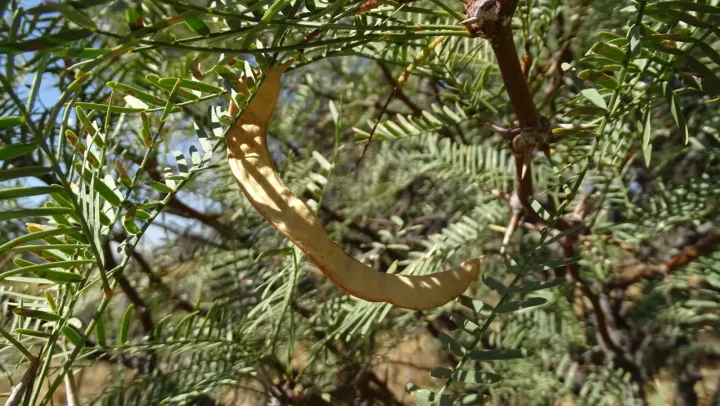
Description
Growing requirements
Neltuma chilensis, a member of the Fabaceae family, is a highly resilient tree species adapted to arid and semi-arid environments. It is characterized by its remarkable ability to survive and thrive in regions with severe water scarcity.
The plant requires full sun exposure for optimal physiological development and fruit production. It exhibits a high degree of solar tolerance, making it an excellent candidate for reforestation and land restoration projects in desert areas.
This species is well-known for its high tolerance to saline soils, enabling it to grow in marginal lands where other crops would fail. Its deep taproot system allows it to access water sources unavailable to surface-rooted vegetation.
Optimal growth occurs in temperature ranges between 20 and 35 degrees Celsius. While it is hardy, it is sensitive to severe frost and is best suited for climates with mild to warm winter conditions.
Well-drained soil is a fundamental requirement for the healthy establishment of the crop. It prefers sandy or loamy textures, while excessive moisture or waterlogging should be strictly avoided to prevent root damage.
Yield
The primary economic output of Neltuma chilensis consists of its pods, which are rich in sugars, proteins, and minerals. These are widely used as a high-quality forage supplement for livestock, significantly enhancing feed efficiency.
The wood of the tree is highly valued for its exceptional hardness, density, and natural resistance to decay. It is frequently utilized in high-end woodworking, flooring, and the production of premium charcoal.
As a legume, this tree plays a crucial role in soil enrichment through nitrogen fixation. By improving soil fertility, it supports the growth of associated vegetation in agroforestry systems and reduces the need for synthetic fertilizers.
Harvesting is typically performed during the dry season, ensuring that the fruit has reached proper maturity. Proper post-harvest handling is essential to maintain the nutritional quality of the seeds and prevent moisture accumulation.
The multi-purpose nature of the crop, providing both feed and timber, makes it a sustainable choice for diversifying agricultural systems in water-limited regions across the globe.
Main diseases and pests
While naturally robust, Neltuma chilensis can be susceptible to fungal pathogens if grown in overly humid or poorly ventilated conditions. Powdery mildew can affect young foliage, necessitating proper spacing and canopy management.
Seed-feeding beetles, such as bruchids, are the most significant pests affecting pod yield. Effective control strategies include proper sanitation during harvest and cold storage to prevent infestation of the stored seeds.
Root rot is primarily a symptom of poor site selection or improper irrigation management. Ensuring that the soil remains well-drained is the most effective preventative measure against such diseases.
Seedlings require protection from weed competition during their initial establishment phase. Regular clearing of the surrounding area is recommended to promote vigorous growth and deep root penetration.
Maintaining biological diversity and monitoring for common leguminous pests helps ensure the long-term health of the plantations and prevents the spread of regional pathogens.