
Honey mesquite
Neltuma glandulosa
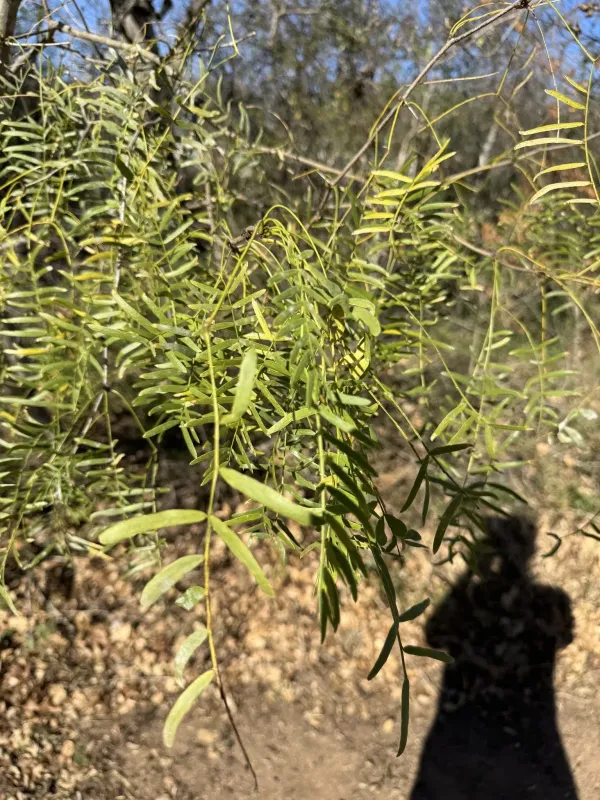
Description
Sowing dates
Propagation of Neltuma glandulosa is typically achieved through seeds, which require mechanical or chemical scarification due to their very hard seed coat. This treatment ensures uniform germination rates.
Sowing should take place when soil temperatures consistently range between 20°C and 25°C. Seeds are placed at a depth of 2 to 4 centimeters to optimize the balance between moisture availability and emergence energy.
In commercial operations, planting nursery-grown seedlings is preferred over direct seeding. Seedlings offer a higher establishment rate and allow for more precise spacing, which is crucial for long-term canopy management.
The recommended planting distance is 5 to 6 meters between rows. This spacing prevents overcrowding and allows sufficient light penetration, which is vital for the health and development of the mature tree.
Young plants require consistent monitoring during the first season. Weed control is essential, as the competition for nutrients and water can significantly stunt growth during the early establishment phase.
Growing requirements
Honey mesquite is a highly resilient legume known for its ability to thrive in harsh environments. It is remarkably drought-tolerant, utilizing a deep taproot system to access groundwater in semi-arid regions.
Full solar exposure is a fundamental requirement. The species does not tolerate shade, and inadequate light levels will result in poor structural growth and significantly reduced seed production.
Soil type is less critical than drainage. While it performs well in various soil textures, it is highly sensitive to waterlogged conditions, which can quickly lead to root rot and tree decline.
The species excels in high-temperature climates. It remains productive during intense summer heat, provided it has access to moisture, which is why it is often chosen for arid land reclamation projects.
As a nitrogen-fixing species, it contributes to soil fertility by forming symbiotic relationships with soil bacteria. This attribute makes it an excellent choice for agroforestry systems aimed at restoring damaged lands.
Yield
The economic potential of honey mesquite is tied to the harvest of its seed pods. These pods are rich in proteins and carbohydrates, serving as a high-quality forage supplement for livestock.
Yields are heavily dependent on climatic conditions during the flowering phase. Favorable weather without frost or extreme drying winds during the bloom increases the success rate of pollination and fruit set.
Secondary yields include high-density, durable wood. This material is highly regarded for furniture making, flooring, and artisanal wood crafts, providing an additional revenue stream from older, managed stands.
Harvesting is typically performed once the pods reach full maturity. Mechanical collection from the ground is common, and efficiency can be increased by managing the area beneath the canopy to be clean and level.
Post-harvest processing involves drying the pods to reach a stable moisture content. Proper storage is essential to prevent mold growth and pest infestation, ensuring the nutritional value is maintained for livestock consumption.
Main diseases and pests
Fungal pathogens represent the most significant threat to canopy health, particularly during periods of high humidity. These infections manifest as leaf spots or branch dieback if not managed properly.
Insect pests, specifically seed-eating bruchid beetles, can significantly impact the harvestable yield. Integrated pest management strategies, such as timely inspection and local applications, are required to mitigate losses.
Root system issues, such as decay caused by prolonged soil saturation, are primary concerns in poorly drained agricultural zones. Proper soil surveying before planting is the best preventive measure.
Physical damage to the bark by livestock or machinery creates points of entry for opportunistic pathogens. Maintenance of clear rows and protective measures for the trunk are recommended for healthy plantations.
Continuous monitoring programs, especially during the fruit development stage, allow for the identification of potential threats before they reach economic damage thresholds in the plantation.