
Neltuma alpataco
Neltuma alpataco
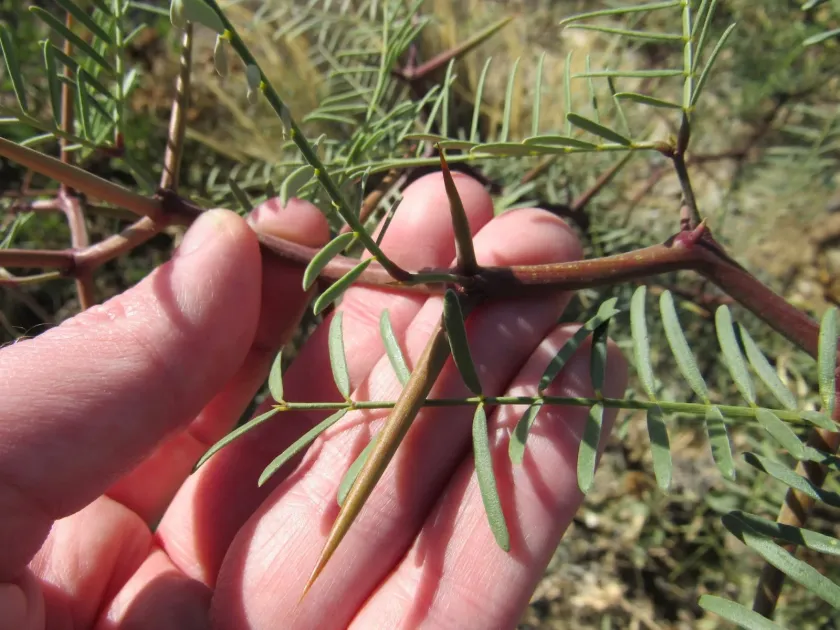
Description
Growing requirements
Neltuma alpataco is a leguminous shrub or small tree native to the arid regions of Argentina. Formerly classified under the genus Prosopis, it is highly adapted to the harsh environmental conditions of the Patagonian scrublands.
This species is well-known for its exceptional drought tolerance and its ability to thrive in saline soils. Its deep root system allows it to reach underground water tables, ensuring survival in environments where rainfall is scarce.
The plant exhibits specific botanical features, such as thorny stems and pinnate leaves, designed to minimize evapotranspiration. It acts as an essential ecological pillar in its native habitat by providing shelter and food for local fauna.
For cultivation, the plant requires open areas with high solar irradiance. It performs best in sandy or silty soils that offer excellent drainage, as the species is sensitive to waterlogging at the root level.
As a legume, it plays a vital role in nitrogen fixation. By improving soil fertility, Neltuma alpataco serves as a significant resource for land rehabilitation projects and sustainable forestry in arid zones.
Main diseases and pests
Overgrazing by livestock represents the primary threat to young Neltuma alpataco plants, as grazing animals frequently consume emerging shoots, severely limiting natural regeneration.
The plant can be susceptible to various insect pests, particularly borers and seed-feeding weevils, which may reduce the viability of seed stocks and damage mature stems.
Fungal pathogens may emerge in cases of poor air circulation or excessive moisture, leading to root rot or stem cankers, which can compromise the overall health of a grove.
Human activities, such as firewood harvesting and land clearing for agricultural expansion, significantly fragment populations and contribute to increased soil erosion.
Successful management requires strict control of grazing access and periodic monitoring of plant health to identify early signs of insect infestation or disease outbreaks.