
Neltuma ruizlealii
Neltuma ruizlealii
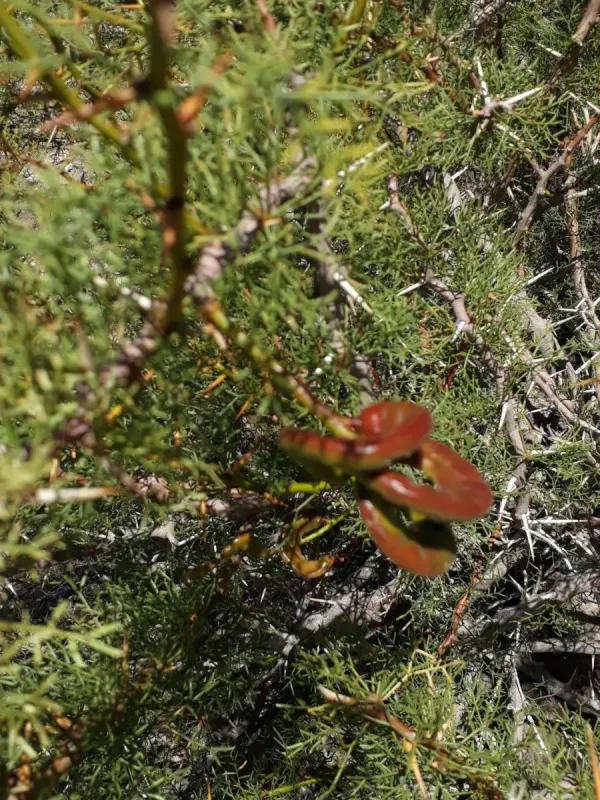
Description
Growing requirements
Neltuma ruizlealii, belonging to the Fabaceae family, is a woody legume species primarily found in the arid landscapes of South America. It is specifically adapted to survive in harsh environmental conditions that are unsuitable for conventional cash crops.
The crop thrives in nutrient-poor, rocky, or saline soils, showcasing a remarkable ability to colonize and reclaim degraded lands. Its root system is deeply anchored, contributing significantly to soil stabilization and the prevention of erosion in dry regions.
Regarding climate, Neltuma ruizlealii is a true xerophyte, demanding high solar radiation and minimal rainfall. It is capable of enduring severe droughts by adopting physiological strategies to reduce transpiration and maximize water use efficiency.
As a legume, this plant fixes atmospheric nitrogen through symbiotic relationships with specialized bacteria in the soil. This natural fertilization process is vital for improving soil health, creating a sustainable environment for surrounding plant communities.
Economically, the species is valued for its protein-rich biomass and pods, which serve as essential forage for livestock. It provides a reliable food source during the dry season when most other vegetation becomes senescent.
Main diseases and pests
The primary concern for production involves bruchid beetles, which infest pods and seeds during maturation. These pests can cause significant losses in yield and reduce the viability of harvested seeds if not properly managed post-harvest.
Fungal pathogens are rarely an issue in arid habitats unless the plants are subjected to waterlogging or high humidity levels. Maintaining well-drained soil conditions is the most effective way to prevent the onset of root-related decay.
Leaf-feeding insects may occasionally impact juvenile growth, requiring monitoring during the initial stages of plant development. Integrated pest management strategies are advised if population thresholds exceed sustainable levels.
The plant’s intrinsic resistance to most common diseases allows for low-input agricultural practices. Minimizing chemical interventions helps maintain the ecological balance of the arid ecosystems where it is cultivated.
Preventive maintenance focuses on site selection and ensuring that the planting density allows for adequate airflow. These practices significantly lower the risk of pest outbreaks and promote vigorous, healthy plant growth.