
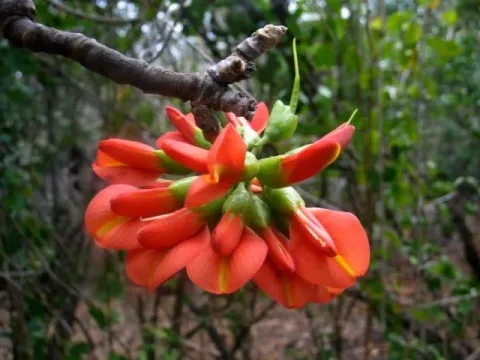
Neoharmsia
Neoharmsia
Neoharmsia, as a member of the Fabaceae family, requires adherence to precise agronomic schedules for successful germination and early development.
What the section contains
Neoharmsia
Planting is typically recommended in the spring, once the soil temperature consistently reaches 12–15 degrees Celsius to support active root growth.
Seeds should be planted at a depth of 2 to 4 centimeters, ensuring adequate soil-to-seed contact, which is essential for uniform emergence in varied soil types.
If the soil is depleted, inoculating the seeds with nitrogen-fixing bacteria is strongly advised to boost initial growth and establish a healthy symbiotic relationship.
After sowing, the field must be rolled to consolidate the soil, which facilitates capillary water movement toward the seeds, ensuring moisture supply during the germination phase.
This crop thrives in well-drained, fertile sandy loam or light loam soils with a neutral or slightly acidic pH level, ensuring optimal nutrient availability.
While Neoharmsia exhibits significant drought tolerance, consistent moisture during the flowering phase is critical to achieving maximum biomass yields.
The plant is highly photophilous and requires a location with full sun exposure throughout the day, as shading can significantly hinder its development.
Waterlogged conditions are detrimental to the root system, often leading to rot; therefore, selecting fields with good natural or artificial drainage is mandatory.
The optimal temperature range for vegetation is between 20 and 25 degrees Celsius, though established plants show resilience to minor temperature fluctuations.
Under optimal management, Neoharmsia provides high yields of green biomass, making it a promising candidate for forage production and livestock feed.
Seed harvesting requires careful timing, as pods are prone to shattering if left to dry excessively while still attached to the plant stems.
Regular application of phosphorus and potassium fertilizers promotes robust vegetative growth and strengthens the root system for higher overall productivity.
In warmer regions with proper irrigation, the crop may provide two full cuttings within a single growing season, enhancing land-use efficiency.
The economic value is heavily influenced by post-harvest handling, including proper drying and storage techniques to preserve the nutrient content of the forage.
Common phytopathogens affecting the crop include powdery mildew and anthracnose, which are most prevalent during periods of high humidity and poor air circulation.
Pests such as pea leaf weevils can damage the root system and foliage, necessitating early detection and the use of targeted control measures.
Implementing a crop rotation scheme involving cereals helps break the life cycles of specific pests and reduces the reliance on chemical insecticides.
Disease prevention is best achieved through optimal plant spacing to ensure airflow, alongside rigorous monitoring of plant health during the growing season.
Changes in leaf coloration or stunted growth are early indicators of stress or infection and should trigger immediate field scouting and intervention.
Harvesting for green biomass should take place during the peak flowering stage to maximize the concentration of proteins and essential minerals in the plant tissue.
When harvesting seeds, monitoring for pod browning is essential to prevent premature drying and loss of yields during the threshing process.
Machinery must be equipped with sharpened cutting blades to ensure clean cuts, preventing fiber crushing and entry points for potential fungal infections.
Harvested material must be processed promptly to prevent heating and spoilage, which can quickly degrade the quality of the harvested feed.
Post-harvest field management, such as tilling the crop residues into the soil, provides valuable organic matter that improves long-term soil structure.