
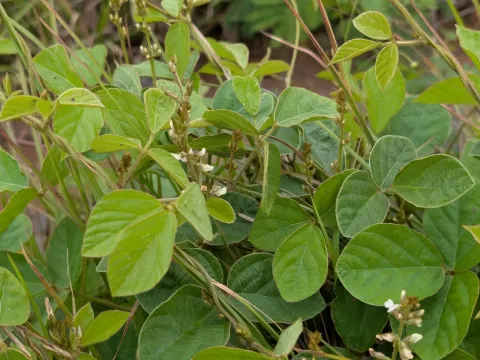
Neonotonia
Neonotonia
The optimal sowing time for Neonotonia typically aligns with the beginning of the rainy season or when soil temperatures are consistently warm in tropical and subtropical regions. Ensuring adequate substrate moisture is crucial for successful seed germination.
What the section contains

Neonotonia
Seeds should be sown at a depth of 1–2 centimeters, as they have high viability but require close contact with the soil. In intensive agricultural systems, sowing can be done either in rows or by overseeding into existing grass stands.
To improve germination rates, Neonotonia seeds are often scarified or inoculated with specific strains of rhizobia. This promotes better root system development and active nitrogen fixation from the very first growth stages.
Plant density should be adjusted based on the intended use. When establishing pastures, seeding rates are generally lower than when growing the crop for hay, as Neonotonia tends to spread vegetatively over time.
Given the perennial nature of the crop, thorough land preparation is essential to clear weeds before sowing. This provides Neonotonia with a competitive advantage during its early development months when it is most vulnerable.
Neonotonia, or Neonotonia wightii, belongs to the Fabaceae family and is a perennial herbaceous plant featuring vigorous trailing stems. The crop originates from tropical Africa, where it is widely valued as an essential forage source.
The plant shows high adaptability to various soil types, including heavy clays, provided that drainage is adequate. It prefers neutral to slightly acidic soils but can tolerate short periods of waterlogging.
Regarding climate, Neonotonia is heat-loving and sensitive to frost, making it unsuitable for cold climates. The optimal temperature range for active growth is between 20 and 30 degrees Celsius.
The crop is highly drought-tolerant due to its deep taproot system, making it indispensable in regions with distinct dry seasons. It efficiently utilizes water from deeper soil profiles.
In agronomy, it is important to consider the plant's light requirements. While Neonotonia can tolerate minor shading, it achieves maximum green mass production in open, well-lit areas when integrated into grass mixtures.
The economic value of Neonotonia lies in its production of high-quality green mass with significant crude protein content. Under intensive management, the crop can yield multiple cuts within a single growing season.
Dry matter yield varies significantly depending on soil fertility and rainfall patterns. Under favorable conditions, productivity can reach 8–12 tons of dry matter per hectare annually.
The primary use of the crop is grazing and hay production. Neonotonia is highly palatable to ruminants, making it a popular component of pasture lands in tropical regions worldwide.
The plant possesses excellent regrowth ability after grazing, allowing pastures to maintain high productivity over many years without the need for annual reseeding.
To maintain high yields, it is recommended to practice rotational grazing, avoiding overgrazing to ensure that plants have sufficient energy reserves in their roots for rapid recovery.
Neonotonia is considered a relatively resilient crop; however, in conditions of high humidity, it may be susceptible to fungal leaf diseases. Symptoms include various leaf spots that can reduce forage quality.
Pests pose a significant threat, particularly insects that damage the vegetative mass and reproductive organs. Various species of weevils and caterpillars can cause substantial reductions in seed yield.
Nematodes can also become a challenge when the crop is grown on the same site for many years. Infestation of the root system leads to stunted growth and premature plant decline.
For pest management, agronomists recommend integrated pest management (IPM) practices, including the use of resistant varieties and proper crop rotation, even when managing perennial grasslands.
Disease prevention relies on maintaining optimal plant density, which prevents moisture stagnation and improves aeration within the canopy, thereby lowering the risk of pathogen spread.
Hay harvesting should be performed at the onset of flowering when nutrient concentrations in the leaves and stems are at their peak. Timely cutting ensures the most nutritious feed product.
When used as a pasture crop, controlling grazing intensity is critical. Plants require a rest period to accumulate nutrients in their roots, which is essential for ensuring quick regeneration.
Seed collection requires careful timing, as Neonotonia pods tend to shatter upon maturity. Harvesting should commence when most pods turn brown, but before significant seed shattering occurs.
Post-harvest seed processing includes thorough cleaning and drying to prevent mold growth and maintain high germination viability for the next planting season.
Neonotonia requires careful handling during hay processing, as the thin leaves are prone to drying out and shattering easily, which can lead to significant losses of the crop's valuable protein component.