
Neltuma affinis
Neltuma affinis
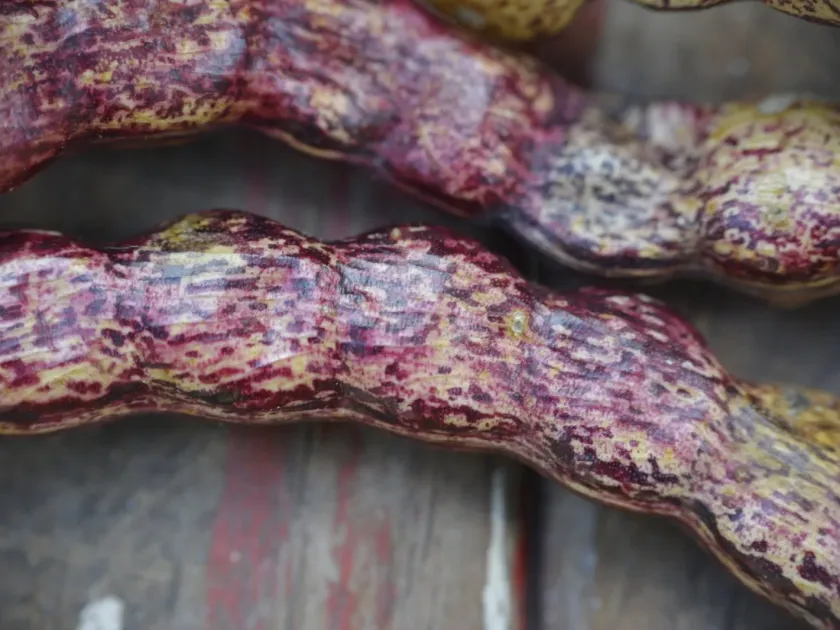
Description
Sowing dates
Sowing should take place when temperatures are consistently warm, with soil reaching at least 15-18 degrees Celsius. Late spring is generally considered the optimal period to ensure rapid germination.
The seeding depth varies depending on soil texture, typically ranging from 3 to 5 centimeters. Ensuring proper soil contact with the seeds is essential for achieving uniform and vigorous seedling emergence.
Pre-sowing seed scarification is often recommended to break dormancy and speed up moisture absorption, which significantly improves germination rates in large-scale field production.
Seeding patterns are determined by the intended use; row planting is standard for forage production, while wider spacing is used for seed multiplication to allow better access for mechanical equipment.
Post-sowing rolling of the field is advised to compress the topsoil, which facilitates capillary water movement towards the seeds and prevents the upper layer from drying out too quickly.
Growing requirements
Neltuma affinis belongs to the Fabaceae family and is highly adapted to semi-arid environments. It possesses excellent drought resistance and can tolerate moderately saline soils effectively.
The crop prefers full sun exposure, as shading significantly hampers biomass development and reduces overall photosynthetic efficiency throughout the growing season.
Well-drained soil is a primary requirement, as the species is susceptible to root rot if waterlogged for extended periods. Sandy or light loamy soils with neutral pH levels are ideal.
While seedlings require consistent moisture during the establishment phase, mature plants become quite resilient, utilizing their deep root systems to access water from lower soil horizons.
As a legume, the plant forms symbiotic relationships with nitrogen-fixing bacteria, allowing it to thrive in nutrient-poor soils and contribute to the overall enrichment of the local ecosystem.
Yield
Yield performance is highly dependent on regional climate conditions and management practices. With adequate nutrient supply, the plant produces substantial green mass for high-quality livestock fodder.
Seed production relies heavily on the presence of local pollinators during the flowering stage, as the plant is primarily entomophilous, requiring insect activity for successful fertilization.
Pruning and regular canopy management can stimulate lateral branching, which directly correlates with a higher number of pods and increased seed yield per plant.
Applying targeted micronutrient foliar sprays during the budding phase can boost both the quantity and quality of the final harvest, making it a common practice in intensive farming.
Properly managed stands can remain productive for several years, providing a consistent source of forage and biomass while requiring minimal intervention after the initial establishment phase.
Main diseases and pests
Soil-dwelling pests are the primary threat during the early seedling stage, often damaging the root system. Seed treatment with appropriate protective agents is recommended as a standard precaution.
Leaf-feeding insects can cause significant damage to foliage, which reduces the plant's capacity for photosynthesis. Regular field monitoring is essential for implementing timely biological controls.
Fungal infections tend to arise in humid conditions with poor air circulation; maintaining correct plant density and preventing overcrowding are effective strategies for disease prevention.
Nematodes may become an issue in heavier, less aerated soils. Implementing a crop rotation cycle that includes non-host species is the most sustainable way to keep these pathogen populations in check.
Leaf spots and rusts are occasionally observed but can be managed by identifying and removing infected plant materials early to prevent widespread transmission across the field.