
Neltuma laevigata
Neltuma laevigata
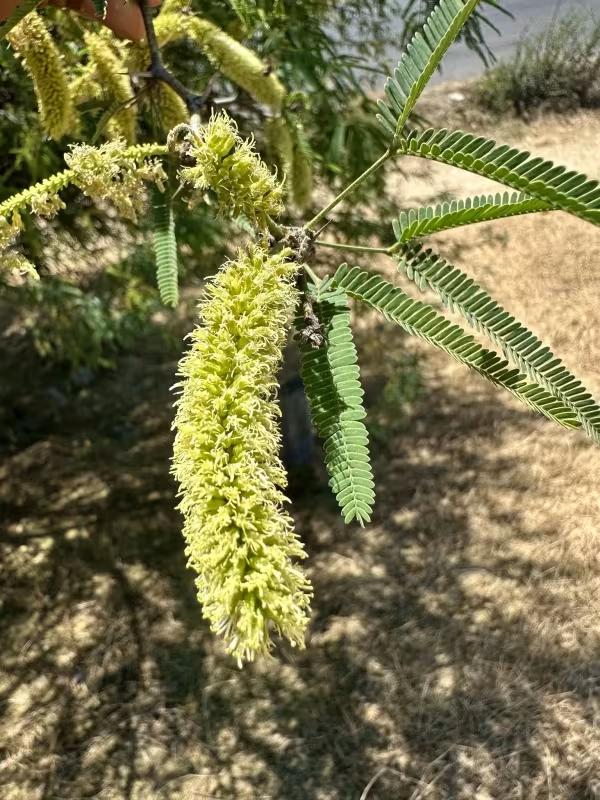
Description
Sowing dates
Sowing Neltuma laevigata requires seed scarification to break the dormancy caused by the hard seed coat. Optimal planting occurs after the last frost when the soil temperature has reached a stable, warm level.
In forest management, seeds are typically drilled into rows at a depth of 2–3 cm. Ensuring consistent soil moisture is crucial during the germination phase to help the root system establish itself deep into the substrate.
Using container-grown seedlings is a preferred method for commercial plantations. This approach significantly enhances survival rates, as nursery plants are more resilient once transplanted into harsh field conditions.
The selection of the planting site must avoid waterlogged areas, as the species is highly susceptible to root decay when exposed to excess water. Spacing should be determined by the final use, such as timber production or pasture integration.
Initial weed control is essential for young plantations. Neltuma laevigata struggles to compete with vigorous weeds in its first year, making periodic clearing of the surrounding soil necessary for healthy growth.
Growing requirements
Neltuma laevigata is a member of the Fabaceae family, well-adapted to arid and semi-arid environments. It thrives in regions with intense sunlight and prolonged periods of water scarcity.
The tree prefers well-drained sandy, loamy, or alluvial soils. Its tolerance for saline soil conditions makes it a highly valuable species for restoring degraded landscapes and reclaiming salt-affected agricultural land.
A key biological attribute is its nitrogen-fixing ability. Through its symbiosis with specific root bacteria, it effectively improves soil fertility, providing essential nutrients for the tree and neighboring vegetation.
Temperature tolerance is high, with optimal growth occurring between 20 and 35 degrees Celsius. It can withstand intense radiation, maintaining physiological functions where many other species would suffer leaf scorching.
The species possesses an extensive taproot system. This allows the plant to access deep water tables, ensuring high survival rates even in desert-like conditions where surface moisture is absent.
Yield
The primary economic value of Neltuma laevigata is its high-quality timber. The wood is exceptionally dense, durable, and naturally resistant to rot, making it highly prized for high-end furniture and construction.
The pods produced by the tree are a significant source of forage. Rich in protein and carbohydrates, they serve as a critical dietary supplement for livestock, especially during the dry season when traditional pastures fail.
Yields of pods per tree can be substantial in managed systems, turning forests into highly productive agro-silvopastoral units. The tree is also recognized for its nectar production, supporting local apiculture.
Sustainable harvesting of the wood yields material with excellent physical properties. The timber's texture and color make it a premium choice for interior finishing and specialty woodworking markets.
Beyond material production, the tree plays a vital role in carbon sequestration and wind protection, mitigating the effects of soil erosion in vulnerable agricultural zones.
Main diseases and pests
Neltuma laevigata is generally robust, but it can be susceptible to specific defoliating insects in monoculture plantations. Monitoring for pests like leaf beetles during the peak growing season is recommended.
Fungal pathogens causing root rot are almost exclusively a result of poor site drainage. Maintaining optimal soil aeration is the most effective preventative measure against these diseases.
Seed-feeding weevils can damage stored seed stocks. Proper fumigation and storage in sealed, cool containers are necessary to protect the viability of the seeds for future propagation.
Invasive grasses can hinder young trees by stealing nutrients and water. Regular inspection and clearance are vital to ensure the young plants are not suppressed during their establishment phase.
Integrated Pest Management (IPM) strategies, including the use of pheromone traps, are encouraged to manage potential pest outbreaks without relying heavily on broad-spectrum chemical pesticides.
Harvesting
Pod harvesting begins when the fruit is fully mature, indicated by a dry texture and a straw-yellow or brown coloration. This ensures the best nutritional quality for animal feed.
Industrial harvesting often utilizes mechanical tree shakers, which allow for efficient collection onto pre-laid nets or tarps, significantly reducing manual labor costs.
Post-harvest, pods must be dried in well-ventilated sheds to reach a moisture content below 12%. This prevents fungal growth and maintains the long-term nutritional value of the forage.
Timber harvesting should be timed during the dormant season. This practice minimizes the impact on the plant's overall health and ensures the longevity of the tree population.
Proper storage of seeds and pods in cool, dry, and rodent-proof facilities is mandatory to maintain quality and prevent contamination by pests or moisture-related spoilage.