
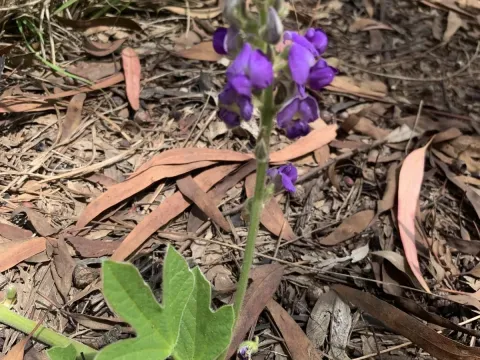
Neorautanenia
Neorautanenia
Propagation of Neorautanenia in its natural habitat occurs primarily through seeds. In cultivation, seeds require pre-sowing scarification due to their dense seed coat, which maintains a prolonged dormancy period.
What the section contains

Neorautanenia
Sowing operations in potential cultivation regions are carried out at the beginning of the rainy season to provide optimal moisture for germination. The plant develops a powerful root system, requiring deep soil preparation before planting.
The temperature regime for successful germination must remain consistently above +20°C. Day length plays a secondary role, although intense solar illumination is critical for the early development of seedlings.
When planting in open ground, it is necessary to maintain adequate spacing between plants, considering the Neorautanenia's tendency for vining growth. Planting density is calculated based on the intended use, such as biomass production or tuber harvesting.
In field conditions, the crops do not require specific preparation, except for clearing the plot of weeds that may inhibit young shoots during the first weeks of life.
Neorautanenia belongs to the Fabaceae family and is a typical representative of the African savanna flora. It is a perennial herbaceous plant with a distinct ability to survive drought conditions due to its large storage tubers.
The plant prefers well-drained sandy or loamy soils, typical of regions in Southern and Central Africa. Excessive moisture and waterlogging are fatal to the root system, which limits the areas suitable for industrial cultivation.
Optimal climatic conditions are characterized by distinct wet and dry seasons. The crop demonstrates high resistance to direct solar radiation and elevated air temperatures.
Mineral nutrition should be balanced, although the culture is capable of symbiosis with nitrogen-fixing bacteria. Nitrogen fertilizer application is required only in the early stages of development if the soil is depleted.
For normal development of the aerial part, the plant requires supports or areas with tall grasses for its stems to climb. Lack of support significantly reduces vegetative mass and the overall life potential of the plant.
The economic value of Neorautanenia focuses on its phytochemical composition, specifically the presence of rotenoids, which possess insecticidal properties. Yield in this context is measured by the output of raw tuber biomass per hectare.
With intensive care, tuber yields can reach significant levels due to the rapid accumulation of storage substances. However, systematic collection from wild populations remains the primary method for raw material acquisition.
The use of plant extracts as organic pesticides makes it a promising crop for eco-farming. The effectiveness of the product depends on the age of the plant, as the concentration of active substances changes during ontogenesis.
Harvesting the aerial parts for technical purposes is carried out during the period of maximum vegetation before fruit ripening begins. Optimal timing allows for the preservation of the tubers' regenerative potential for the following season.
Currently, yield data varies widely as the culture is not mass-produced and requires breeding efforts to stabilize productivity.
The primary threats to Neorautanenia are root rots arising from improper irrigation management. Infection by fungal pathogens often occurs in heavy clay soils with poor aeration.
Insect pests that target leguminous crops can reduce the quality of the foliage. Specifically, leaf-eating caterpillars pose the greatest danger during the active stem growth phase.
Abiotic stresses, such as prolonged frosts, may lead to the freezing of the aerial parts, although tubers are capable of withstanding brief temperature drops in the soil. Rapid fluctuations in moisture content contribute to fruit cracking.
Weeds are serious competitors during the establishment stage, consuming moisture and nutrients. Mechanical weeding must be performed carefully to avoid damaging the shallow root system.
Pests that attack storage organs include soil nematodes. Control measures include crop rotation and the use of biological control agents that are safe for the ecosystem.