
Neltuma alba
Neltuma alba
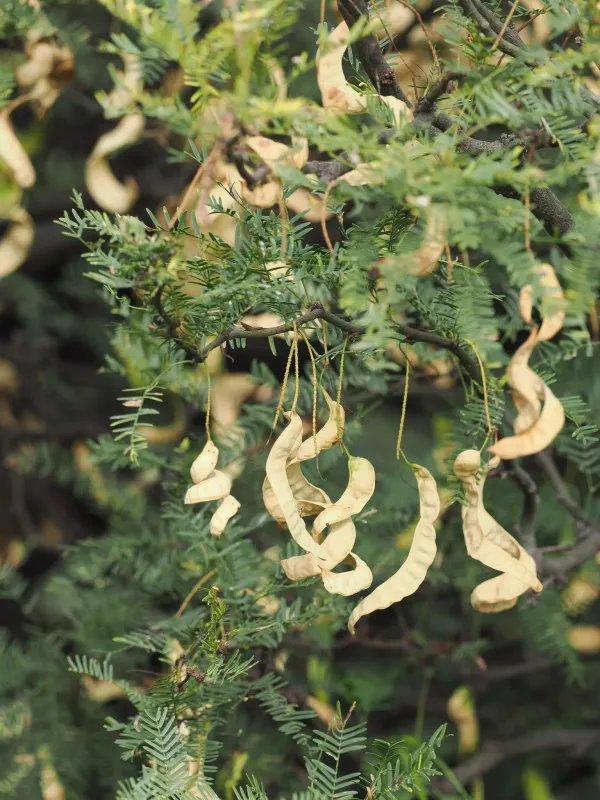
Description
Growing requirements
Neltuma alba, historically classified within the genus Prosopis, is a hardy legume tree native to South America, particularly the Gran Chaco region. It is highly valued for its ability to thrive in harsh environments.
This species is well-adapted to subtropical and tropical climates characterized by intense solar radiation and prolonged dry seasons. It acts as a keystone species in maintaining desert and semi-arid ecosystem stability.
Soil requirements for Neltuma alba are remarkably flexible; it thrives in sandy, loamy, and clay soils, showing exceptional tolerance to salinity. Deep root systems allow it to access water tables inaccessible to other crops.
Cultivation practices involve site selection with full sun exposure and spacing that prevents overcrowding, ensuring each tree receives adequate airflow. Protection of seedlings during the establishment phase is essential for optimal growth.
The tree's ability to fix nitrogen significantly improves soil fertility, making it an excellent choice for agroforestry projects aimed at land reclamation and erosion control.
Yield
The economic utility of Neltuma alba is multifaceted, spanning timber production, livestock forage, and food processing industries. It is a multi-purpose crop that sustains rural livelihoods.
Its timber is highly prized for its durability, hardness, and rich color, often used in fine furniture manufacturing, flooring, and architectural details where aesthetic quality is required.
The pods are a critical feed resource for livestock. They are rich in sugars and proteins, providing high-energy nutritional supplementation during seasonal droughts when forage availability is minimal.
In the human food sector, the pods are ground into a nutritious, gluten-free flour. This product is increasingly popular due to its natural sweetness and low glycemic index, serving as a versatile cooking ingredient.
Beyond physical products, the tree provides ecosystem services including shade for animals, windbreaks for crops, and nectar sources for honey production, which further enhances its overall economic yield.
Main diseases and pests
The most common pests affecting Neltuma alba are seed-boring bruchid beetles. These insects can significantly reduce seed viability if not managed during the harvest and storage processes.
Fungal pathogens may cause root rot or stem cankers, primarily in areas with poor drainage or excessive humidity, which contradicts the tree's preference for dry conditions.
Parasitic plants, such as mistletoe, can infest mature trees, drawing away nutrients and weakening the overall structure of the canopy if not manually removed during standard pruning.
Grazing animals pose a direct threat to younger trees, often damaging the bark or terminal buds, necessitating the use of physical barriers or managed grazing practices in young plantations.
Regular field scouting for early signs of infestation and maintaining tree vigor through appropriate site management are the most effective ways to mitigate these biological threats.