
Least lady's mantle
Alchemilla minima
Description
Growing requirements
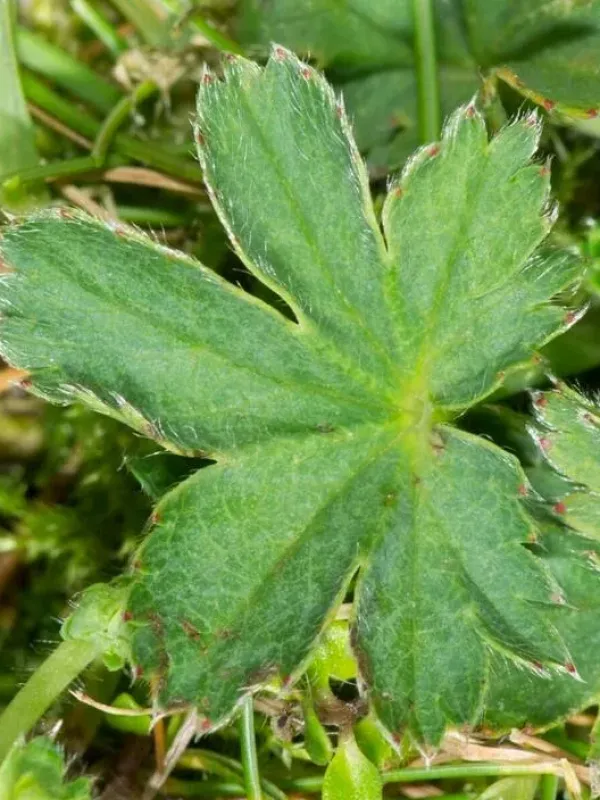
Least lady's mantle (Alchemilla minima) is a perennial herbaceous plant belonging to the Rosaceae family. It is known for its compact size and delicate, lobed leaves that are adapted to alpine environments.
Native to mountain regions, this plant is characterized by its ability to form dense, low-growing mats, making it an excellent candidate for specialized landscaping and rock garden projects.
The plant requires well-drained, humus-rich soil that mimics the rocky, moist substrates of its natural mountain habitat. Maintaining consistent soil moisture is crucial, but waterlogging must be avoided.
Regarding climate, Alchemilla minima thrives in cooler temperatures and prefers locations with partial to full sunlight. It is sensitive to extreme heat, which can lead to stress and reduced growth performance.
Maintenance involves providing adequate organic matter to the soil surface and ensuring that the plant is not crowded by more aggressive species, as it is relatively slow-growing.
Main diseases and pests
Powdery mildew is the most significant disease for this species, particularly when plants are grown in areas with poor air circulation or high humidity levels during the summer months.
Root rot can occur if the plant is grown in compacted soils that prevent water from draining properly, leading to the decay of the root crown.
Pests such as aphids may infest the flowering stalks, causing deformation and general decline in the plant's health if not addressed promptly with organic controls.
Slugs and snails present a constant threat to the foliage, especially in damp gardens, requiring manual removal or the application of pet-safe repellent barriers.
Good cultural practices, including regular inspection of the leaf underside and ensuring proper spacing between plants, are essential for preventing the spread of these threats.