
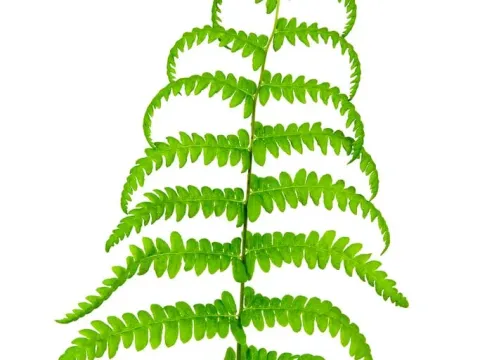
Thelypteris
Thelypteris
Thelypteris is a genus of ferns in the family Thelypteridaceae. These perennial plants are widely distributed across temperate and tropical regions, often inhabiting moist woods, wetlands, and shaded stream banks.
What the section contains
 Glandular maiden fern
Thelypteris glanduligera
Glandular maiden fern
Thelypteris glanduligera
 Japanese fern
Thelypteris japonica
Japanese fern
Thelypteris japonica
 Japanese Thelypteris
Thelypteris nipponica
Japanese Thelypteris
Thelypteris nipponica
 Marsh fern
Thelypteris palustris
Marsh fern
Thelypteris palustris
 Narrow-leaf thelypteris
Thelypteris angustifrons
Narrow-leaf thelypteris
Thelypteris angustifrons
 New York fern
Thelypteris noveboracensis
New York fern
Thelypteris noveboracensis
 Thelypteris acuminata
Thelypteris acuminata
Thelypteris acuminata
 Thelypteris arida
Thelypteris arida
Thelypteris arida
 Thelypteris beddomei
Thelypteris calcarata
Thelypteris calcarata
Thelypteris beddomei
Thelypteris beddomei
Thelypteris calcarata
Thelypteris calcarata
 Thelypteris crassifolia
Thelypteris crassifolia
Thelypteris crassifolia
 Thelypteris cystopteroides
Thelypteris cystopteroides
Thelypteris cystopteroides
 Thelypteris esquirolii
Thelypteris gracilescens
Thelypteris gracilescens
Thelypteris hosei
Thelypteris hosei
Thelypteris esquirolii
Thelypteris esquirolii
Thelypteris gracilescens
Thelypteris gracilescens
Thelypteris hosei
Thelypteris hosei
 Thelypteris immersa
Thelypteris immersa
Thelypteris immersa
 Thelypteris interrupta
Thelypteris interrupta
Thelypteris interrupta
 Thelypteris laxa
Thelypteris megaphylla
Thelypteris megaphylla
Thelypteris opulenta
Thelypteris opulenta
Thelypteris laxa
Thelypteris laxa
Thelypteris megaphylla
Thelypteris megaphylla
Thelypteris opulenta
Thelypteris opulenta
 Thelypteris parasitica
Thelypteris parasitica
Thelypteris parasitica
 Thelypteris pennigera
Thelypteris pennigera
Thelypteris pennigera
 Thelypteris polycarpos
Thelypteris polycarpos
Thelypteris polycarpos
 Thelypteris prolifera
Thelypteris prolifera
Thelypteris prolifera
 Thelypteris quelpartensis
Thelypteris repanda
Thelypteris repanda
Thelypteris quelpartensis
Thelypteris quelpartensis
Thelypteris repanda
Thelypteris repanda
 Thelypteris tetragona
Thelypteris tetragona
Thelypteris tetragona
 Thelypteris torresiana
Thelypteris torresiana
Thelypteris torresiana
 Thelypteris totta
Thelypteris totta
Thelypteris totta
 Thelypteris triphylla
Thelypteris unita
Thelypteris unita
Willow-leaved Thelypteris
Thelypteris salicifolia
Thelypteris triphylla
Thelypteris triphylla
Thelypteris unita
Thelypteris unita
Willow-leaved Thelypteris
Thelypteris salicifolia
Thelypteris
Cultivating Thelypteris requires mimicking its natural environment. The primary requirement for success is partial to full shade, as intense sunlight can dehydrate the fronds and cause significant physiological stress.
The soil should be consistently moist but well-drained. A mix rich in organic matter, such as leaf mold or composted peat, provides the necessary acidity and structure to support the fibrous root system of the fern.
Water management is critical in the agronomic cycle of this plant. Consistent moisture must be maintained throughout the growing season; even short-term drying out of the root zone can result in irreversible damage to the foliage.
The plant is generally hardy, though winter protection is advisable in climates with severe frost. Applying a layer of organic mulch helps to insulate the rhizomes and preserve soil moisture during winter months.
Thelypteris is primarily utilized as an ornamental plant in landscape design. Its aesthetic value lies in its lush, fine-textured fronds that provide a natural woodland look to shaded areas of the garden.
The production cycle for this plant involves propagation through division of rhizomes. Nursery cultivation focuses on creating well-established root systems in containers before transplanting into the final site.
While not a traditional food crop, the plant requires specific nursery maintenance. This includes sanitation practices to ensure the planting medium remains free of soil-borne pathogens that target fern roots.
During the harvest of nursery-grown specimens, growers ensure that the rhizome remains intact with sufficient healthy fronds to allow for rapid recovery after the stress of transplanting into new soil.
Modern nursery management increasingly incorporates integrated pest management strategies to keep Thelypteris healthy, avoiding heavy chemical use while ensuring optimal growth and aesthetic appeal for the end consumer.