
Marsh fern
Thelypteris palustris
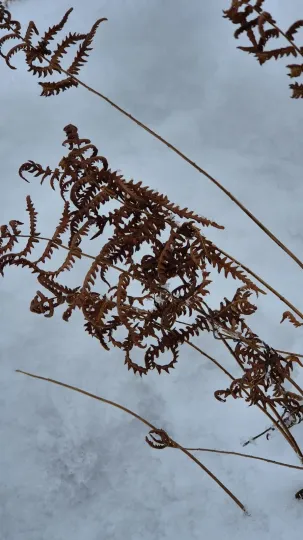
Description
Growing requirements
The marsh fern (Thelypteris palustris) is a perennial deciduous fern belonging to the Thelypteridaceae family. It is a highly specialized plant adapted to thrive in wetland ecosystems, including marshes, swamps, and along the edges of ponds and slow-moving streams.
The botanical structure of this species is defined by its long, creeping rhizomes that spread underground, allowing the fern to form dense, colonial patches. Its fronds are slender, reaching up to 60–80 cm in height, with a light green color that brings a unique texture to aquatic habitats.
Its natural range encompasses large regions of the Northern Hemisphere, spanning Europe, Asia, and North America. It is considered an indicator species for wetlands, reflecting the hydrological health and stability of the surrounding environment.
Successful cultivation requires consistent soil moisture and a substrate rich in organic matter, such as peat or silt. Ideally, the soil should be kept at a near-neutral or slightly acidic pH level, and the site should be protected from total drying, which would be detrimental to the rhizome.
Host management and horticultural use include its deployment in water gardens, soil stabilization projects near embankments, and as a natural filter for bio-remediation efforts in managed wetlands. It requires minimal intervention once established in an appropriate hydro-regime.
Main diseases and pests
Pathogen risks for the marsh fern are primarily associated with excessive water stagnation during colder periods, which can lead to root and rhizome rot. Bacterial infections may manifest when the plant's natural hydraulic cycle is interrupted by pollution or chemical contaminants.
Pest management focuses on controlling slug and snail populations, which can significantly damage young fronds. Additionally, aphids may colonize the underside of the leaves, necessitating physical removal or the use of mild organic soaps to maintain the health of the foliage during the growing season.