
Thelypteris beddomei
Thelypteris beddomei
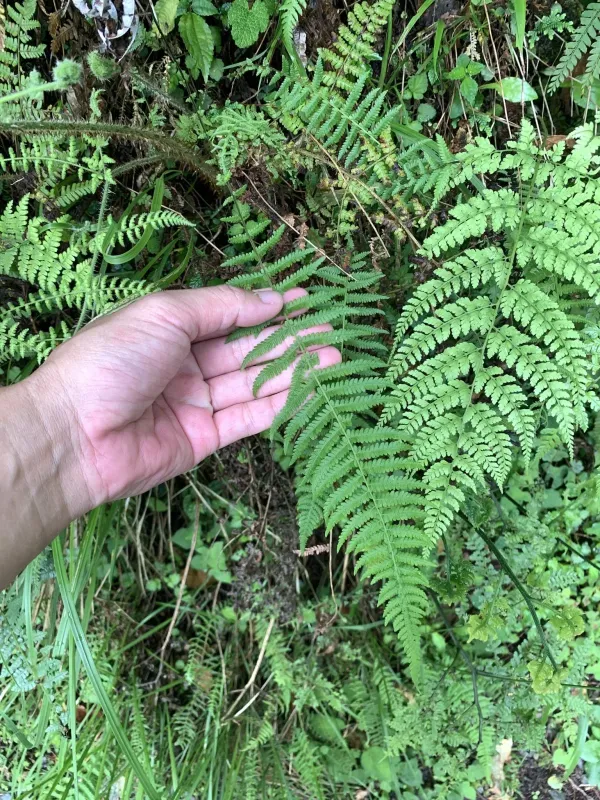
Description
Growing requirements
Thelypteris beddomei is a perennial herbaceous fern belonging to the family Thelypteridaceae. This plant features elegant, pinnate fronds emerging from a creeping or short rhizome, characteristic of its genus.
Originating from the tropical and subtropical mountainous regions of Southeast Asia, specifically India and Sri Lanka, this species thrives in humid forest habitats and near streams. It requires a microclimate that mimics these natural conditions.
For successful cultivation, the soil must be loose, humus-rich, and acidic to slightly acidic. Keeping the growing medium consistently moist is vital, as this plant is highly intolerant of drought or prolonged dry spells.
The plant strictly requires shaded or semi-shaded environments with bright, indirect light. Direct sunlight can severely damage the fronds, leading to rapid dehydration and chlorosis of the delicate green tissue.
In terms of usage, Thelypteris beddomei is primarily grown as an ornamental plant in botanical gardens, conservatories, and indoor fern collections. It is prized for its lush, graceful appearance in moist, shaded landscapes.
Main diseases and pests
Common horticultural problems include root rot, often caused by poor drainage or excessive watering. Ensuring the substrate does not become waterlogged is the most critical step in preventing fungal infections.
Low humidity levels in indoor environments frequently attract spider mites, which can cause significant damage to the foliage. Maintaining high relative humidity is essential to keep the plant healthy and mite-free.
Scale insects and mealybugs can also infest the fronds, particularly in stagnant greenhouse air. These pests sap nutrients from the plant, potentially leading to stunted growth or frond yellowing.
Powdery mildew may occur if air circulation is insufficient. To mitigate this risk, growers should ensure adequate spacing between individual plants to prevent the accumulation of stagnant, humid air pockets.
Effective pest management relies on early detection and the use of appropriate horticultural oils or biological controls. Regular inspection and cleaning of the foliage help maintain the plant's aesthetic value and health.