
Thelypteris laxa
Thelypteris laxa
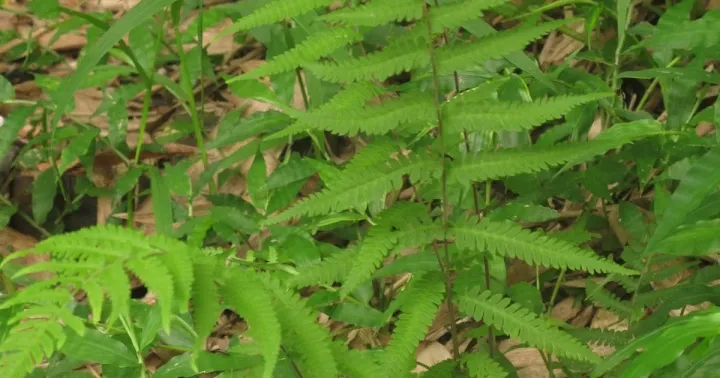
Description
Growing requirements
Thelypteris laxa is a perennial fern belonging to the Thelypteridaceae family, primarily native to the humid tropical and subtropical regions of the Americas. This species is characterized by its delicate, spreading fronds, which create a light and feathery appearance, making it a desirable specimen for botanical collections.
In terms of climate requirements, this plant is strictly tropical. It thrives in environments where temperatures remain stable between 18°C and 25°C year-round. It is highly sensitive to cold drafts and freezing temperatures, which can cause severe damage or death to the plant's vascular system.
The cultivation of Thelypteris laxa requires a specific, well-draining substrate. A mixture consisting of high-quality peat, perlite, and decomposed leaf mold is ideal. This composition ensures that the roots receive sufficient oxygen while retaining the essential moisture the plant needs to flourish.
Watering is the most critical aspect of the plant's maintenance. The soil must remain consistently moist to the touch but never waterlogged. Using lukewarm, non-chlorinated water is strongly recommended, as the plant is susceptible to mineral buildup and chemical stress from tap water.
Regarding its хозяйственное use, Thelypteris laxa is almost exclusively used for decorative purposes in conservatories, terrariums, and shade-loving interior designs. Its high requirement for humidity and filtered light makes it less suitable for typical household conditions, requiring a dedicated microclimate for optimal growth.
Main diseases and pests
Like many ferns, Thelypteris laxa is susceptible to common greenhouse pests. The two-spotted spider mite is the most frequent adversary, thriving in dry air conditions and causing the foliage to lose its vibrant green color and eventually wither.
Mealybugs can also pose a significant problem, as they hide in the tight spaces between the fronds and the base of the plant. Their presence is often indicated by a white, cottony substance, which requires immediate attention and physical removal followed by biological control agents.
Pathogenic fungi present a risk when cultural practices are neglected. Excessive moisture combined with poor air circulation can lead to crown rot and leaf spot diseases, which can quickly spread through the entire cluster of fronds.
Prevention is centered on environmental control. Maintaining humidity above 65% and ensuring adequate ventilation prevents the rapid multiplication of both mites and fungal spores. Regular misting with distilled water can help maintain healthy fronds and deter some pest populations.
If chemical intervention becomes necessary, only mild horticultural soaps or specialized organic acaricides should be used. Due to the delicate nature of the fronds, always test any treatment on a small, inconspicuous portion of the leaf before applying it to the entire plant.