
Thelypteris torresiana
Thelypteris torresiana
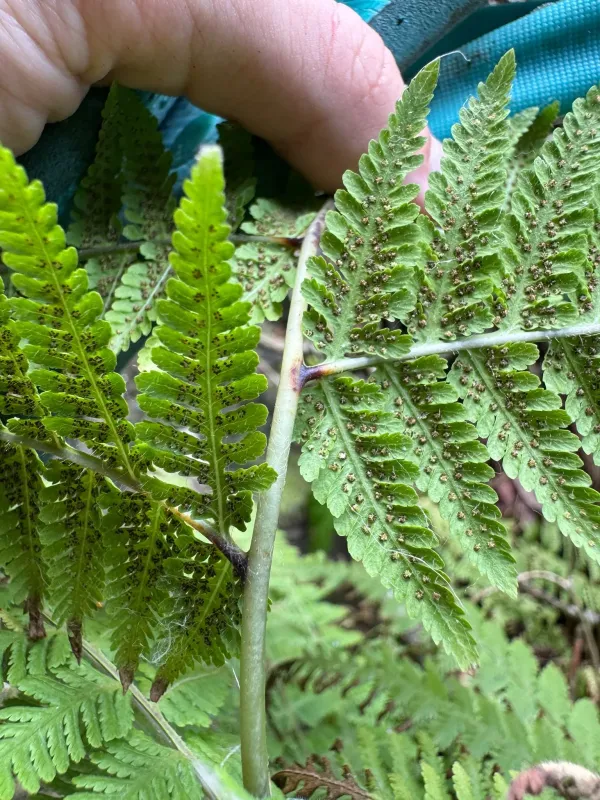
Description
Growing requirements
Thelypteris torresiana is a species of fern in the family Thelypteridaceae, known for its elegant foliage and adaptation to tropical climates. In its natural range, it thrives in shaded and humid environments where the canopy provides sufficient protection from intense direct sunlight.
When grown as a cultivar or decorative plant, it requires a specialized substrate rich in organic matter. A mixture of peat, perlite, and leaf mold is recommended to ensure both moisture retention and the necessary aeration for root health.
Climate requirements include high ambient humidity, ideally maintained above 60%. While it prefers warm temperatures, it is sensitive to extreme heat waves and dry drafts, which can cause the fronds to curl and lose their characteristic luster.
Watering should be consistent and thorough. The plant benefits from being watered with soft, room-temperature water. During the active growth season, it is recommended to keep the substrate lightly moist, avoiding both complete desiccation and waterlogging.
Propagation is most commonly achieved through division of the rhizomes. This process should be handled with care to prevent damaging the delicate root system, ensuring that each new section has enough fronds to support healthy growth.
Main diseases and pests
The primary threats to this fern species stem from improper environmental management. Overwatering is the most frequent cause of root rot, which can destroy the root system if not addressed with improved drainage and fungicide treatments.
Spider mites represent the most persistent pest threat, especially in low-humidity settings. These microscopic pests feed on the underside of the leaves, resulting in stippled discoloration and eventual leaf drop if the infestation is not checked.
Scale insects can also cause significant damage by anchoring themselves to the stems and fronds. These pests are resilient due to their protective shells and require either mechanical removal or systemic treatments to eradicate fully.
Fungal leaf spots may occur if the foliage remains wet for prolonged periods without adequate air circulation. Keeping the environment well-ventilated and avoiding overhead watering during cooler hours helps mitigate this risk significantly.
- Maintain optimal relative humidity
- Use sterile soil mixes for potting
- Monitor for pests on a weekly basis
- Apply preventative horticultural oils for mite control