
Thelypteris cystopteroides
Thelypteris cystopteroides
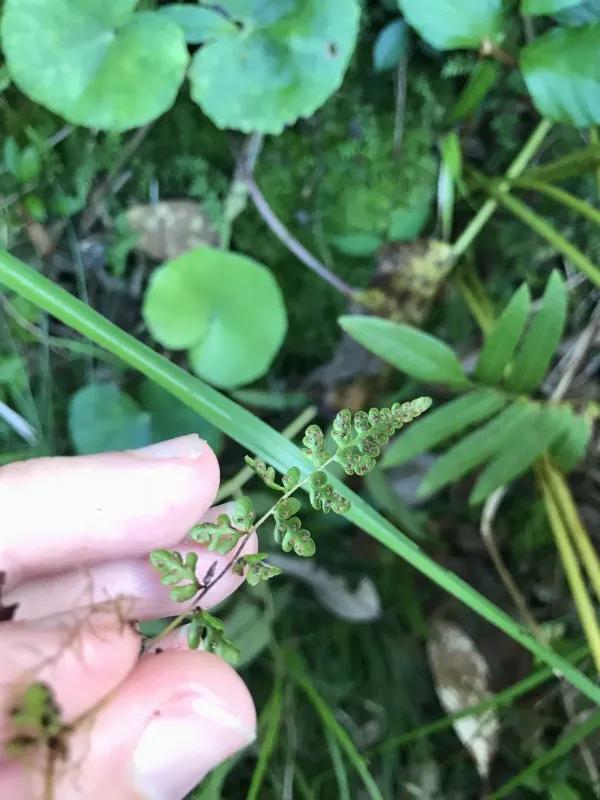
Description
Growing requirements
Thelypteris cystopteroides is a perennial fern species belonging to the Thelypteridaceae family, naturally occurring in temperate and subtropical forest regions of Asia.
This species requires high levels of ambient humidity and constant soil moisture, making it an ideal choice for shade gardens with consistent irrigation.
It performs best in shaded locations, protected from direct sunlight which can cause irreversible damage to the delicate, pinnate fronds of the plant.
The substrate should be rich in organic matter, such as leaf mold or peat, with excellent drainage properties to prevent root suffocation or decay.
In garden settings, the plant benefits from a layer of organic mulch that mimics the natural forest floor, maintaining soil coolness and preserving essential moisture levels.
Main diseases and pests
The primary threats to this fern are fungal infections, which often occur due to poor air circulation or waterlogged soil conditions in the planting zone.
Common garden pests such as slugs and snails pose a significant threat, as they feed on the developing fronds and can quickly destroy the plant's aesthetic value.
Spider mites may occasionally infest the plant under conditions of low humidity, leading to yellowing of the fronds and a decline in overall plant health.
Effective management includes maintaining proper distance between plants to allow airflow and regular monitoring for early signs of pest or disease activity.
Standard horticultural practices involve the use of organic fungicides and safe mollusckicides when pest pressure exceeds the threshold for manual removal.