
Narrow-leaf thelypteris
Thelypteris angustifrons
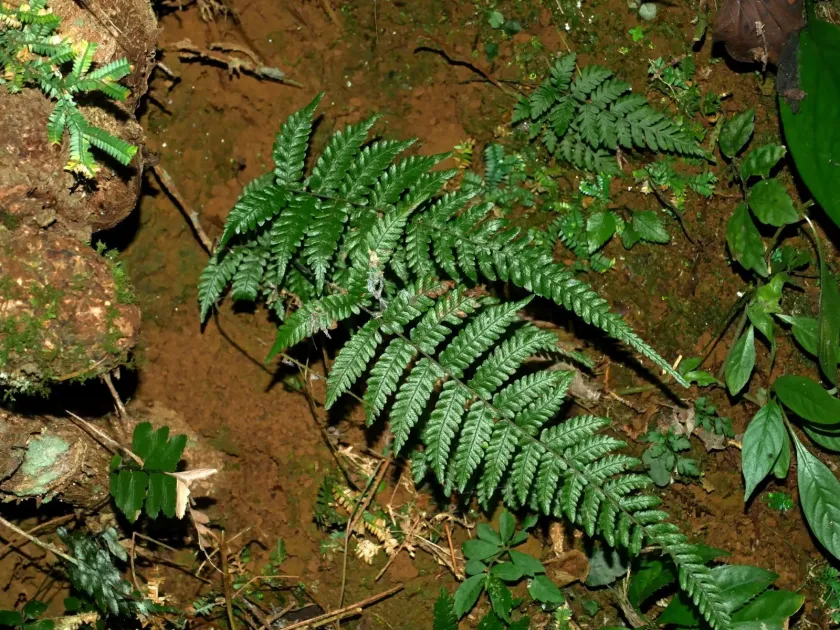
Description
Growing requirements
Thelypteris angustifrons belongs to the Thelypteridaceae family. This perennial fern is indigenous to temperate and subtropical forest regions, where it thrives under the cover of a closed canopy in stable microclimates.
To cultivate this species successfully, it is essential to provide a substrate that is rich in organic matter and maintains consistent moisture levels. The soil should be slightly acidic and well-drained to prevent anaerobic conditions around the rhizomes.
Environmental requirements include deep or dappled shade. Direct sunlight is highly detrimental to this plant, often leading to rapid dehydration and chlorosis of the delicate fronds, which reduces its overall vigor.
The plant performs best in regions with moderate temperatures. Protection from frost is often necessary in colder climates, as the rhizomes are susceptible to extreme cold, especially if the ground freezes deeply.
Botanically, the plant is characterized by its narrow, pinnate fronds emerging from creeping rhizomes. Reproduction occurs primarily through spores found in clusters known as sori, located on the abaxial side of the leaf segments.
Main diseases and pests
Common pathological issues include fungal leaf spots and crown rot, which frequently occur in environments with poor air circulation or over-watering practices that keep the base of the plant too damp.
Pest pressure mainly comes from gastropods like slugs and snails, which can defoliate young growth during humid seasons. Additionally, scale insects can occasionally infest the stems in indoor or greenhouse settings.