
Thelypteris interrupta
Thelypteris interrupta
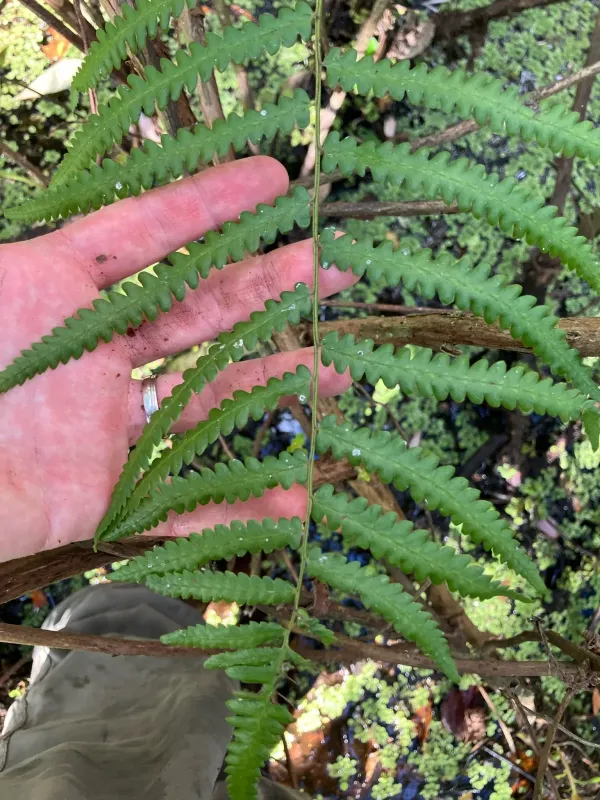
Description
Growing requirements
Thelypteris interrupta, a member of the Thelypteridaceae family, is a perennial fern species recognized for its affinity to moist, tropical, and subtropical habitats. It typically occupies wetlands and riparian zones.
The plant demonstrates a high demand for water, classifying it as a hydrophyte. It requires consistently saturated soil and high ambient humidity to maintain its physiological functions and prevent wilting of the fronds.
Temperature regulation is critical for this species. It is strictly a warmth-loving plant and cannot survive freezing temperatures, necessitating a frost-free environment for sustained growth throughout the year.
Optimal soil conditions include high organic content and peat-based substrates. The pH levels should ideally be slightly acidic, which mimics the natural forest floor or wetland environments where this fern thrives.
Thelypteris interrupta thrives in shaded or semi-shaded areas. Exposure to direct, intense sunlight should be avoided, as it can cause rapid dehydration and chlorosis of the leaves, damaging the aesthetic and structural integrity of the plant.
Main diseases and pests
Fungal pathogens represent the primary biological threat, particularly under conditions of poor ventilation and excessive moisture. Leaf spot diseases are common, often leading to necrosis of the frond tissue.
Pests such as spider mites and aphids are major concerns for cultivated specimens. These insects proliferate quickly in humid environments, sucking sap from the fronds and weakening the overall vigor of the fern.
Snails and slugs pose a significant risk, especially during the early developmental stages of the fronds. They can consume large portions of the tender growth, which negatively impacts the plant's health.
Root rot is a persistent danger if the growing medium loses its porosity and drainage becomes obstructed. It is essential to ensure that while the soil remains wet, it does not become stagnant or anaerobic.
Nematodes, which attack the rhizomes, can cause stunted growth and yellowing of the foliage. Proper sanitation of growing media and the use of healthy stock are the best defenses against these subterranean pests.