
Thelypteris polycarpos
Thelypteris polycarpos
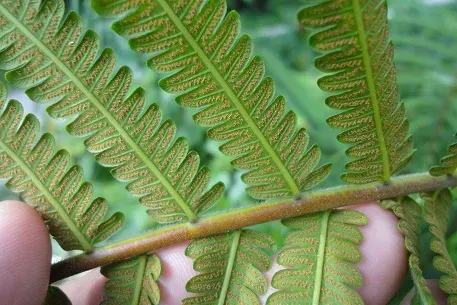
Description
Growing requirements
Thelypteris polycarpos is a perennial fern belonging to the Thelypteridaceae family. It is natively found in moist tropical and subtropical forest ecosystems, where it thrives in shaded environments characterized by high humidity and consistent moisture levels.
Successful cultivation of this species requires a substrate that is loose, highly porous, and rich in organic matter. Maintaining a slightly acidic soil pH is essential for optimal nutrient uptake and long-term health of the fern's root system.
Environmental requirements are strict regarding temperature and air moisture. The plant prefers a stable range between 18°C and 24°C, and exposure to direct sunlight or hot, dry drafts must be avoided to prevent desiccation of the delicate fronds.
Water management is the cornerstone of agronomy for this crop. The soil should remain consistently moist but never waterlogged; proper drainage is critical to prevent root suffocation, which often leads to rapid decay in this particular genus.
In ornamental horticulture, this fern is highly valued for its elegant, spreading fronds, making it a perfect candidate for shade gardens, conservatories, and interior landscaping where light levels are restricted but humidity can be well-controlled.
Main diseases and pests
Thelypteris polycarpos is susceptible to various fungal pathogens, predominantly those causing leaf spots and root rots. Poor ventilation and excessive stagnant water are the primary catalysts for these outbreaks in a controlled environment.
Pest pressures primarily include spider mites and scale insects, which exploit low humidity levels. These pests can rapidly proliferate on the undersides of the fronds, causing discoloration and eventual dieback if left untreated.
Integrated pest management (IPM) practices are recommended for control. This includes manual removal of pests, washing foliage with mild soap solutions, or utilizing horticultural oils to mitigate infestation without damaging the fern's structure.
Sanitation is a critical prophylactic measure. Removing necrotic or dead fronds helps maintain airflow through the canopy, significantly reducing the habitat available for fungal spores and pests to establish themselves.
If chemical intervention becomes necessary, it is vital to select products specifically labeled as safe for ferns, as many broad-spectrum pesticides can cause phytotoxicity to the sensitive fronds of the Thelypteris species.