
Thelypteris quelpartensis
Thelypteris quelpartensis
Description
Growing requirements
Thelypteris quelpartensis belongs to the Thelypteridaceae family, a group of ferns noted for their distinct vascular and reproductive morphology. This species originates from East Asia, particularly identified in the flora of Jeju Island (Quelpart), where it thrives in humid, shaded forest understories.
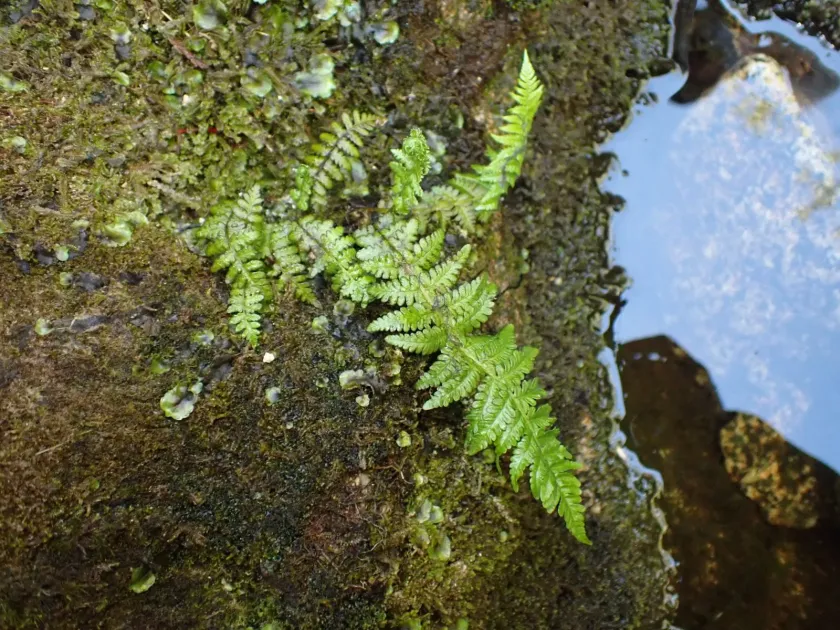
The plant features rhizomatous growth with delicate, pinnate fronds. Its botanical uniqueness lies in the venation patterns and the structure of the sori, which are essential for its taxonomic identification. The leaves exhibit a vibrant green hue and a structure that provides significant ornamental value.
Successful cultivation requires soil that mimics the forest floor: rich in organic matter, slightly acidic, and maintaining high moisture levels without becoming waterlogged. Drainage is critical to prevent the rhizome from decaying, which is the most common failure point for amateur gardeners.
Environmental conditions must include consistent humidity and protection from direct sunlight, which can scorch the tender fronds. In temperate climates, this species is often grown in greenhouses or specialized indoor setups where microclimatic parameters can be strictly regulated for optimal health.
The horticultural application of this fern is focused on shade gardening and as a specimen plant in specialized collections. Its low-growing habit and elegant frond architecture make it ideal for moist rock gardens or under canopy plantings where competition from larger flora is minimal.
Main diseases and pests
Primary health threats include fungal infections such as leaf spot and root rot, often triggered by excessive moisture combined with poor air circulation. It is imperative to maintain a balance between soil moisture and air movement to ensure the foliage remains healthy and vibrant.
Pests like spider mites are common if the ambient humidity drops below the necessary threshold for this species. To control these, regular misting and maintaining a stable environment are the best preventative measures, reducing the need for chemical intervention on sensitive fronds.