
Thelypteris parasitica
Thelypteris parasitica
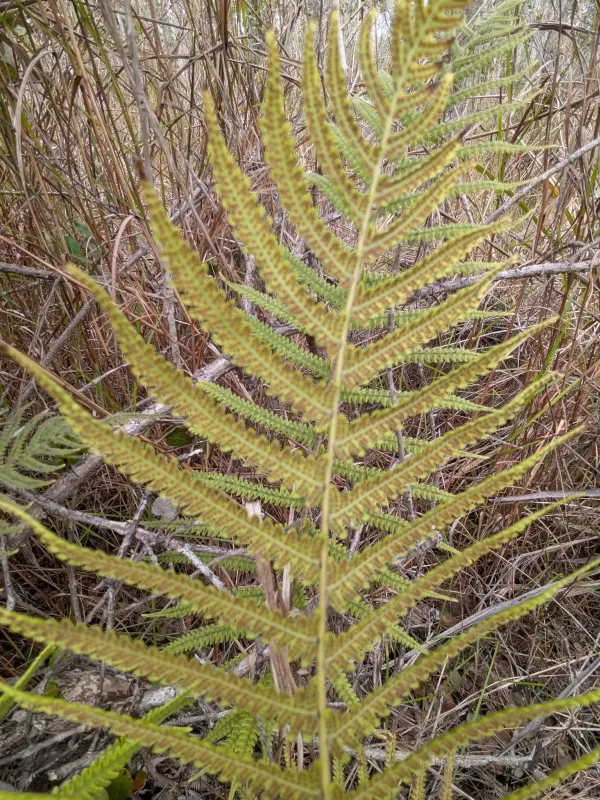
Description
Growing requirements
Thelypteris parasitica is a perennial fern species within the Thelypteridaceae family. While not a conventional food crop, it holds agricultural significance as a decorative plant, extensively produced in commercial nurseries and greenhouses for the interior plant industry.
Originating from the tropical and subtropical regions of Asia and Polynesia, this fern is adapted to humid forest environments. It flourishes in areas where moderate temperatures persist and natural shade protects the foliage from intense direct sunlight.
Successful cultivation requires a climate-controlled environment with temperatures ranging from 18 to 25 degrees Celsius. The species is highly sensitive to cold, and exposure to frost will lead to immediate tissue damage and potentially death of the plant.
Regarding soil requirements, the species demands a well-draining, nutrient-rich, and slightly acidic medium. A mixture of peat moss, perlite, and decomposed organic matter is ideal to maintain the necessary moisture levels without compacting the roots.
Agricultural techniques for this fern prioritize moisture management. Consistent watering with filtered or rainwater is essential, as the plant reacts poorly to the high chlorine content found in standard tap water. High relative humidity is the key factor in maintaining vibrant foliage.
Main diseases and pests
Common pests affecting this fern include spider mites, mealybugs, and scale insects. These organisms often target the underside of the fronds, thriving in conditions where ventilation is poor and humidity levels are inconsistent throughout the day.
Pathogenic threats are primarily fungal, with root rot being the most prevalent issue. Over-saturation of the soil prevents oxygen exchange at the root zone, creating a favorable environment for soil-borne pathogens to thrive and destroy the root system.
Control strategies involve the integrated use of systemic fungicides and horticultural soaps to eliminate pest infestations. Sanitation of the growing area, including the removal of dead fronds and debris, is crucial to minimize the spread of fungal spores.
It is vital to maintain optimal air circulation around the plants. Proper spacing in greenhouse benches helps prevent microclimates that might otherwise encourage the rapid spread of diseases among high-density cultures.
For long-term health, growers should monitor for leaf yellowing or stunted growth, which often indicates nutrient imbalance or substrate degradation. Regular repotting every two years ensures the plant has access to fresh, aerated media for continued development.