
Semponium
x Semponium spp.
Description
Growing requirements
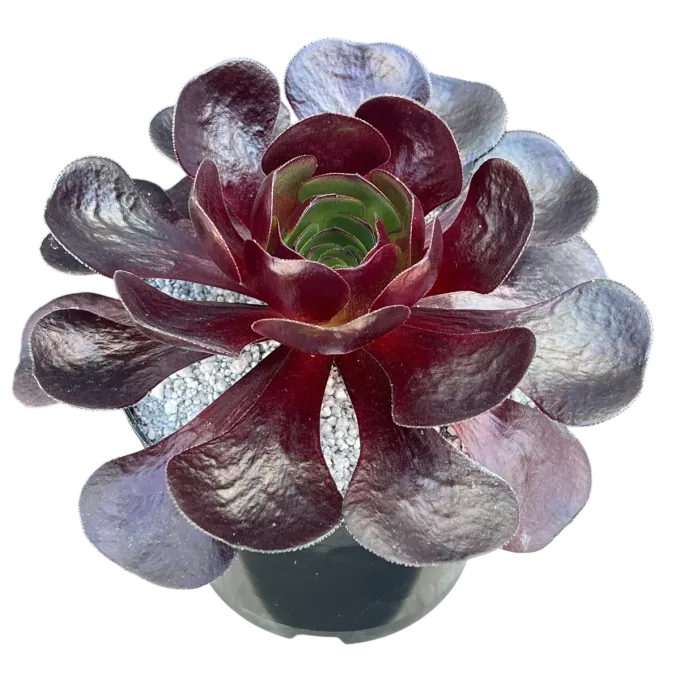
Semponium (x Semponium) is a sophisticated intergeneric hybrid resulting from the crossing of the Aeonium and Sempervivum genera. Belonging to the Crassulaceae family, this plant is engineered to combine the striking architectural aesthetic of Aeoniums with the cold hardiness associated with Sempervivums.
The origin of this culture is rooted in modern horticulture. Breeders developed these hybrids to offer a more robust succulent that can tolerate diverse climate conditions while maintaining the dramatic, rosette-forming structure that collectors highly value in decorative gardening.
Environmental requirements prioritize high light intensity. To maintain the vibrant foliage coloration and the compact structure of the rosettes, Semponium needs plenty of bright, filtered sunlight; insufficient light causes the rosettes to stretch and turn green.
Soil composition is critical for the success of this hybrid. It requires a highly porous, well-draining succulent medium. Incorporating amendments such as pumice, perlite, or grit is essential to ensure that water does not linger near the root collar, which is vital for plant health.
Temperature management requires balance. While this hybrid is more resilient to temperature drops than its Aeonium parents, extreme frost remains a threat. Ideally, the plants thrive in moderate climates with stable ventilation to mimic their natural habitat conditions.
Main diseases and pests
The primary threat to Semponium is overwatering, which quickly leads to root rot. If the potting medium stays saturated, the plant roots lose the ability to respire, causing the succulent tissue to collapse and decay within a very short period.
Mealybugs represent a significant pest risk for this species. These insects thrive in the tight spaces between leaf axils, making them difficult to detect until an infestation is well-established. They cause stunted growth and weaken the plant's structural integrity.
Spider mites are also prevalent in low-humidity environments. They manifest as fine webbing and speckling on the leaves, leading to leaf discoloration and loss of vigor. Maintaining adequate humidity and regular cleaning can mitigate these issues effectively.
Disease prevention is largely dependent on cultural practices. Removing dead, lower leaves periodically helps prevent mold and fungal pathogens from gaining a foothold in the decomposing organic matter at the base of the plant.
Chemical intervention should be considered a last resort. If insecticides are required, ensure they are compatible with succulent foliage to prevent dermal burns. Always maintain the plant in a well-ventilated area after any treatment to speed up recovery.