
Thelypteris crassifolia
Thelypteris crassifolia
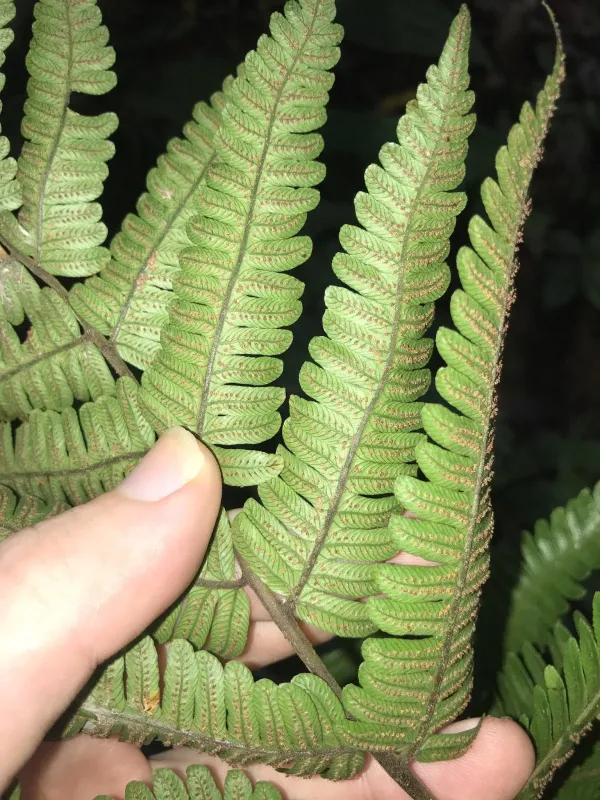
Description
Growing requirements
Thelypteris crassifolia is a perennial fern species that belongs to the Thelypteridaceae family. Originating from the tropical regions of the Americas, this plant is primarily found in shaded forest understories where moisture levels remain consistently high.
This crop requires specific climatic conditions, favoring high humidity and stable temperatures without severe fluctuations. It is highly shade-tolerant, making it an excellent candidate for environments that receive limited natural sunlight.
Soil requirements involve a loose, airy, and nutrient-rich substrate. The media should be slightly acidic to neutral to ensure that the roots can efficiently absorb minerals. Proper drainage is essential to prevent waterlogging, which the plant does not tolerate.
Botanically, the plant is characterized by thick, leathery fronds, which distinguish it from other delicate fern species. The rhizome system is creeping, allowing the plant to spread horizontally over time given enough space and organic matter.
The main use of Thelypteris crassifolia is ornamental. It is widely cultivated in greenhouses, conservatories, and interior spaces where its robust texture and evergreen appearance contribute to a tropical aesthetic.
Main diseases and pests
The most significant threats to this fern are fungal pathogens triggered by poor drainage or overwatering. Root rot is a common issue that can quickly compromise the entire plant if the soil remains saturated for long periods.
Pest management is focused on controlling spider mites, which are particularly prevalent in indoor environments where the air is dry. Mites feed on the undersides of the fronds, causing visible yellowing and tissue damage.
Scale insects are another potential danger, as they adhere to the stems and fronds to suck nutrients from the plant. Persistent infestations by scale can lead to stunted growth and increased susceptibility to secondary infections.
For chemical control, specialized acaricides and insecticides should be applied carefully according to the manufacturer's instructions. Integrated pest management, focusing on humidity control and sanitation, is generally more effective.
Prevention is the best strategy for maintaining plant health. Regularly misting the foliage and ensuring good air circulation will keep the fronds clean and minimize the stress that often invites disease outbreaks.