
Thelypteris totta
Thelypteris totta
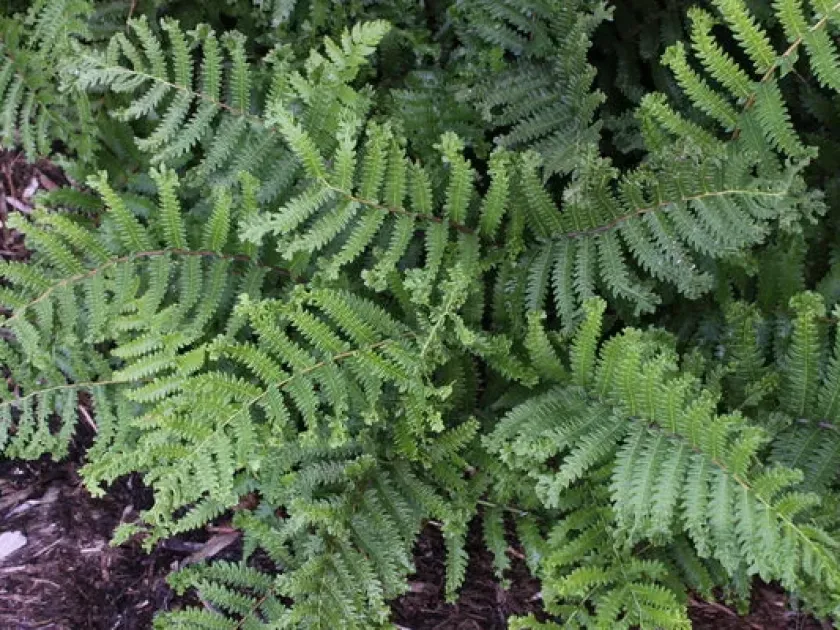
Description
Growing requirements
Thelypteris totta is a perennial fern species belonging to the Thelypteridaceae family. It is a moisture-loving plant that typically thrives in wetland environments, stream banks, and humid shaded forest floors within its native tropical range.
Cultivation of this species requires meticulous attention to soil moisture. The substrate must remain consistently damp, as the plant lacks effective drought-tolerance mechanisms and can rapidly lose vitality if the root system dries out completely.
Temperature management is critical for optimal growth; the species prefers a warm environment ranging from 20°C to 28°C. It is particularly sensitive to cold drafts, which can cause leaf necrosis and significantly stunt the development of new fronds.
The ideal soil profile for this fern consists of a loose, organic-rich mixture. Using a blend of peat, leaf mold, and perlite ensures adequate aeration while maintaining the necessary humidity levels for the rhizomes to flourish.
Regarding light exposure, the plant excels under bright, indirect light conditions. Direct sun is detrimental and frequently leads to chlorosis and physical damage on the delicate fronds, making shaded locations or artificial diffuse lighting preferable.
Main diseases and pests
Scale insects and mealybugs represent the primary pest threats to Thelypteris totta. These insects congregate along the undersides of the fronds, where they extract sap and leave behind sticky residues that attract secondary infections.
Poor ventilation and waterlogged substrate are the main contributors to fungal diseases, such as root rot and leaf spot pathogens. These conditions can rapidly compromise the health of the entire plant if left unaddressed.
Effective management includes regular monitoring for early signs of infestation and ensuring that the growing environment has sufficient air circulation to prevent fungal proliferation during periods of high humidity.
Chemical control should be approached with caution, using only pesticides labeled safe for ferns. Many frond-bearing plants exhibit high sensitivity to concentrated synthetic chemicals, so spot testing or biological controls are recommended.
Maintaining high hygiene standards in the cultivation area, including the removal of dead or decaying organic matter, is essential for minimizing the risk of outbreaks and ensuring the long-term vigor of the crop.