
Japanese fern
Thelypteris japonica
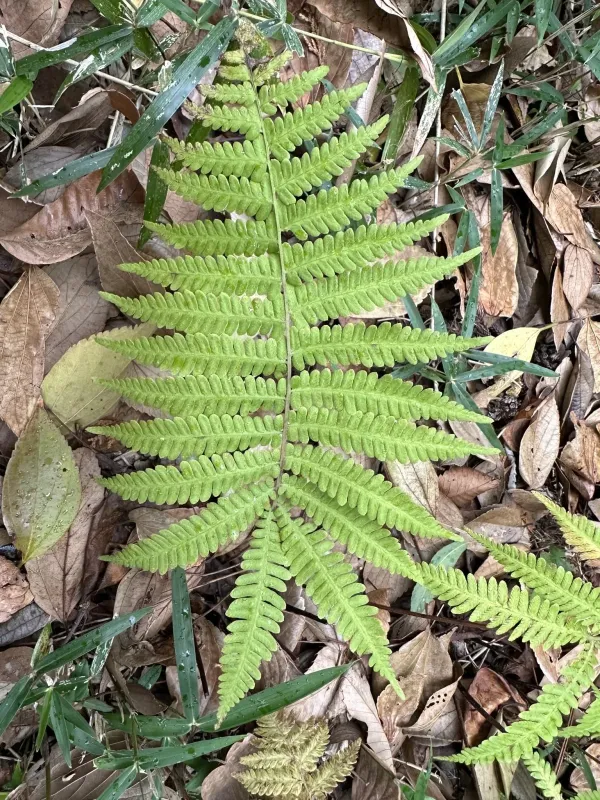
Description
Growing requirements
The Japanese fern (Thelypteris japonica) is a perennial herbaceous plant belonging to the Thelypteridaceae family. Originating from the forest regions of East Asia, it has become a popular choice for gardeners seeking to add texture to shaded landscapes.
The plant thrives in partial to full shade, preferring rich, moisture-retentive, and slightly acidic soils. It is well-suited for temperate gardens where it can be grown as a groundcover or a specimen plant in a woodland garden setting.
Agronomic requirements emphasize the importance of high humidity and consistent moisture. During drier seasons, supplemental irrigation is necessary to prevent the fronds from scorching or turning brown at the tips.
For optimal growth, the soil should be amended with organic matter such as leaf mold or compost. Proper drainage is essential to avoid waterlogging, which can lead to root system decay in heavy soil types.
In terms of propagation, dividing the rhizomes in the spring is the most effective method. This allows the gardener to control the spread of the plant and expand the decorative patches in the desired areas of the garden.
Main diseases and pests
The Japanese fern is generally robust but can be susceptible to common garden pests such as slugs and snails. These pests often target the emerging, delicate fronds in early spring, necessitating early intervention or protective barriers.
Fungal diseases, including leaf spots, may occur under conditions of excessive humidity combined with poor airflow. Maintaining proper spacing between plants helps ensure that the fronds dry out appropriately after rainfall.
Pest management should primarily focus on non-chemical methods, such as manual removal of snails or using coarse mulch to deter their movement. Biological control options are also available if infestation becomes widespread.
Root health is vital, and overwatering should be strictly avoided to prevent the development of root rot. If signs of yellowing appear, one should inspect the root zone to ensure the drainage system is functioning as intended.
Keeping the area free of excess garden debris is a key cultural practice that reduces the habitat for potential pathogens. Regular inspection ensures that any symptoms of distress are addressed before they impact the overall vitality of the fern.