
Sophrolaeliocattleya
x Sophrolaeliocattleya Hort.
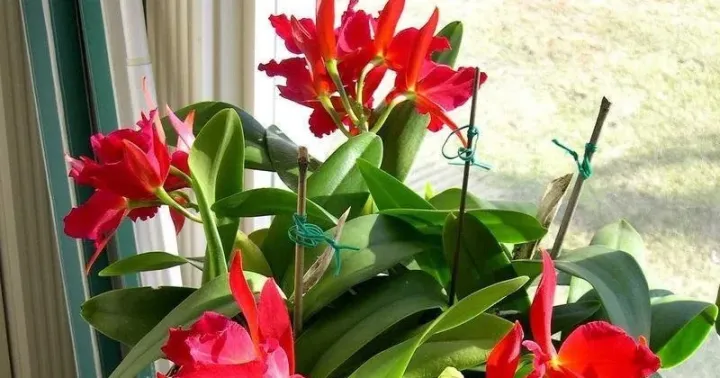
Description
Growing requirements
Sophrolaeliocattleya is an intergeneric hybrid orchid belonging to the Orchidaceae family, originating from a complex crossing of Sophronitis, Laelia, and Cattleya. These plants are highly sought after by collectors for their compact stature and stunning, vivid flower colors ranging from scarlet to fiery orange.
To ensure healthy growth and flowering, these orchids require high levels of bright, indirect sunlight. Placing them in front of south-facing windows with light shading or east-facing windows is usually ideal to maximize photosynthesis without causing leaf burn.
Temperature management is crucial; these hybrids thrive in conditions that mimic their natural tropical habitats. They require a distinct drop in temperature at night to trigger the formation of flower spikes, making a consistent day-to-night variance a mandatory cultural practice.
The substrate must be highly permeable, typically composed of coarse fir bark, perlite, and charcoal to prevent water stagnation. The root system of this hybrid is prone to rot if allowed to sit in dense, water-logged media, necessitating excellent drainage in the pot.
Humidity requirements are relatively high, ideally maintained between 60% and 70%. In standard home environments, utilizing misting systems or humidity trays filled with expanded clay pebbles helps keep the local environment sufficiently moist for optimal development.
Main diseases and pests
The most common pests for Sophrolaeliocattleya are scale insects and mealybugs, which tend to congregate in the leaf axils or under the dry sheaths of the pseudobulbs. Regular manual inspection is the most effective method for early detection and prevention of infestations.
Root rot is the primary physiological threat caused by overwatering or using decomposed, compacted bark. Once the root system is compromised, the entire plant loses the ability to uptake nutrients, leading to rapid decline and potential death of the pseudobulbs.
Fungal pathogens such as black rot or leaf spot diseases often appear when humidity is high but air circulation is stagnant. These diseases manifest as dark, water-soaked spots that can spread across the plant quickly if not addressed with fungicide treatments.
To maintain a healthy plant, all tools used for pruning or repotting should be sterilized with alcohol to prevent the cross-contamination of viral or bacterial infections. Disinfection is a non-negotiable step in the routine maintenance of orchid collections.
Preventative care also involves regular application of mild fertilizer during the active growing season. However, avoid excessive nitrogen, as it promotes soft, succulent growth that is significantly more vulnerable to both insect damage and fungal invasion.