
Thelypteris tetragona
Thelypteris tetragona
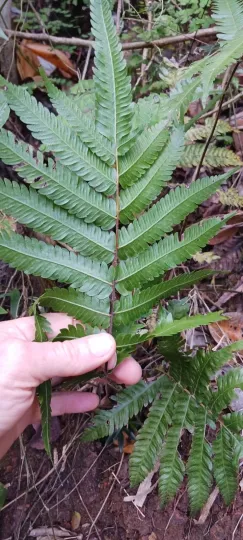
Description
Growing requirements
Thelypteris tetragona is a distinct species of perennial fern belonging to the Thelypteridaceae family. Native to tropical regions of the Americas, this plant thrives in humid forest habitats, often found in sheltered, shaded spots where the soil remains consistently moist.
Botanically, the plant is characterized by its rhizomatous growth habit and pinnate fronds. The specific epithet "tetragona" refers to the quadrate venation pattern found on the leaflets, which is a key identifying feature for botanists and enthusiasts studying this genus.
Climate requirements for this fern are quite specific, needing a stable environment without extreme fluctuations. It performs best in temperatures between 18°C and 25°C. Exposure to direct sunlight must be avoided to prevent foliar damage and desiccation of the delicate pinnae.
The cultivation medium should be a well-draining, humus-rich potting mix. It is essential to ensure that the substrate remains airy to prevent compaction, which could hinder the development of the rhizomes. Incorporating sphagnum moss or perlite helps maintain the ideal moisture balance.
Watering frequency should be adjusted based on the ambient humidity levels. During the active growing season, consistent moisture is vital, while in the dormant period, watering should be reduced to prevent saturation and ensure that the root system stays healthy.
Main diseases and pests
Fungal pathogens represent the most common threat to Thelypteris tetragona, particularly root rot caused by poor soil aeration or excess watering. Maintaining proper drainage and avoiding stagnant water is the primary defense strategy for growers to ensure plant longevity.
Pest management involves regular inspection for common greenhouse threats like spider mites or scale insects. Keeping the air circulation steady and ensuring the humidity remains high helps to create a hostile environment for these pests, reducing the need for chemical intervention.