
Thelypteris acuminata
Thelypteris acuminata
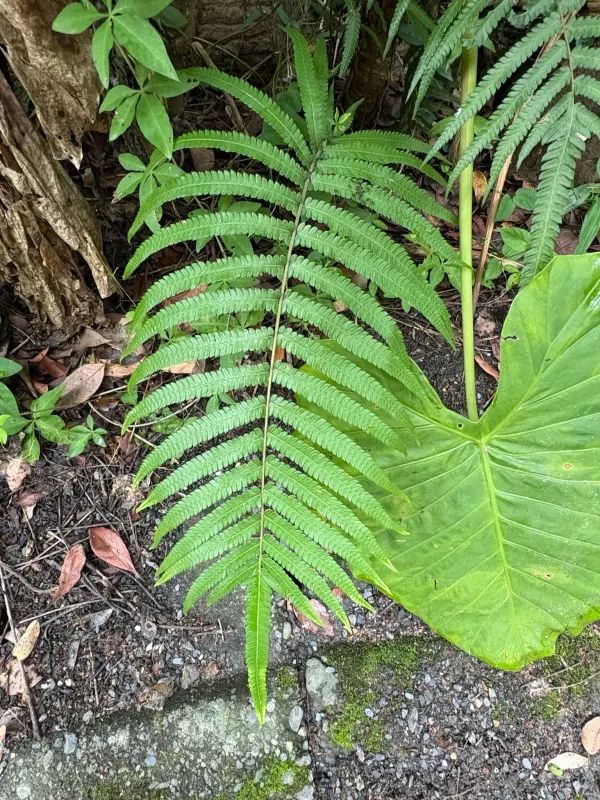
Description
Growing requirements
Thelypteris acuminata is a perennial fern species belonging to the Thelypteridaceae family. Originating from East Asia, this plant is naturally found in forest environments where shaded and damp conditions prevail.
The cultivation of this fern requires precise climate control, prioritizing high humidity levels and constant temperatures. It is an shade-loving plant that thrives in environments where direct sunlight is strictly avoided to prevent foliage damage.
Soil requirements involve a well-draining, nutrient-rich, and slightly acidic substrate. Incorporating organic matter such as sphagnum moss or leaf mulch helps in moisture retention while maintaining the necessary aeration for roots.
Agricultural techniques include consistent irrigation, ensuring the substrate remains moist but not waterlogged. Periodic fertilization with diluted organic feeds is recommended during the peak growing season to support the development of vibrant fronds.
The economic and practical use of Thelypteris acuminata is primarily concentrated in the horticultural sector. It serves as an excellent decorative species for landscaping shaded gardens and interior green design projects.
Main diseases and pests
Common pathological threats include fungal infections like leaf spot and root rot, often triggered by poor ventilation and excess moisture. Maintaining optimal airflow is crucial for long-term health.
Insect pests, specifically mealybugs and scale insects, can impact the vigor of the fern. Integrated pest management, focusing on early detection and physical removal, is the standard approach for keeping the plants healthy.