
Japanese Thelypteris
Thelypteris nipponica
Description
Growing requirements
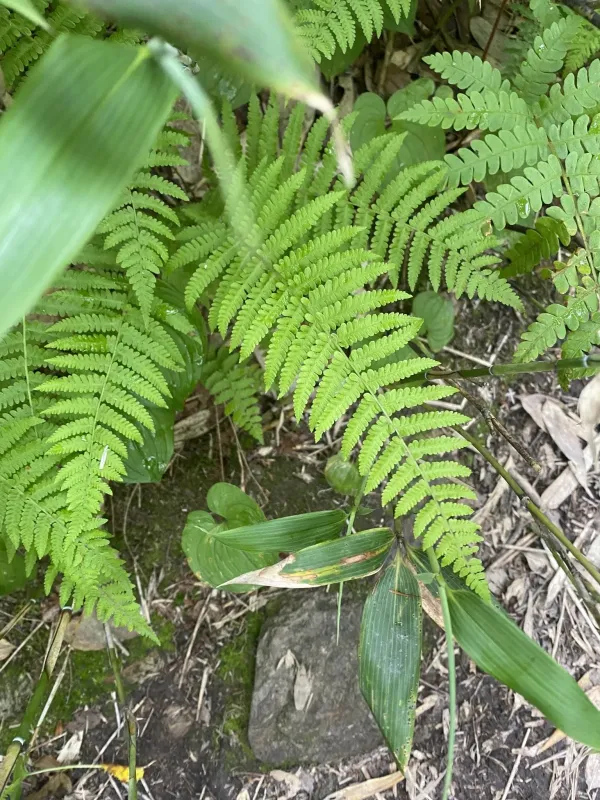
Japanese Thelypteris (Thelypteris nipponica) is a perennial rhizomatous fern belonging to the Thelypteridaceae family. Originating from the temperate forests of East Asia, it has become a popular choice for shade gardens due to its elegant foliage and ease of cultivation.
To ensure optimal growth, the species requires a site with filtered light or partial shade. Exposure to direct midday sun must be avoided, as it causes rapid desiccation of the fronds, leading to browning and reduced aesthetic value of the plant.
The soil should be rich in organic matter, slightly acidic, and well-draining. While the plant appreciates consistent moisture, it is imperative to prevent waterlogging, which often leads to rhizome decay and long-term health issues for the fern.
Agricultural management primarily focuses on soil conditioning through annual mulching. Adding leaf mold or well-rotted compost provides the necessary nutrients and helps maintain the stable soil temperature required for root development.
In landscaping, this fern serves as an excellent ground cover for woodland areas or as a border plant in moisture-retentive garden sections. It adds texture and structure to shady spots where flowering plants might struggle to establish themselves.
Main diseases and pests
Fungal diseases, particularly leaf spots and mildews, are the most significant threats to Thelypteris nipponica. These issues are frequently triggered by poor air circulation and excessive humidity levels in the planting area.
Pests such as aphids and scale insects occasionally infest the undersides of the fronds. Regular monitoring during the growing season is essential for early detection, allowing for quick intervention with horticultural oils or soaps.
Root rot, caused by pathogens like Pythium, remains a critical risk in poorly drained garden beds. Maintaining a porous soil structure is the best prophylactic measure against these destructive soil-borne infections.
Gastropods, including slugs and snails, are frequent visitors that feed on the tender emerging fronds in spring. Placing physical barriers or using pet-safe baits can effectively mitigate the damage caused by these mollusks.
Maintaining a clean growing environment is vital. Removing dead or damaged foliage after the first frost helps reduce the inoculum load for the following season and supports the overall vigor of the perennial fern stock.