
Thelypteris triphylla
Thelypteris triphylla
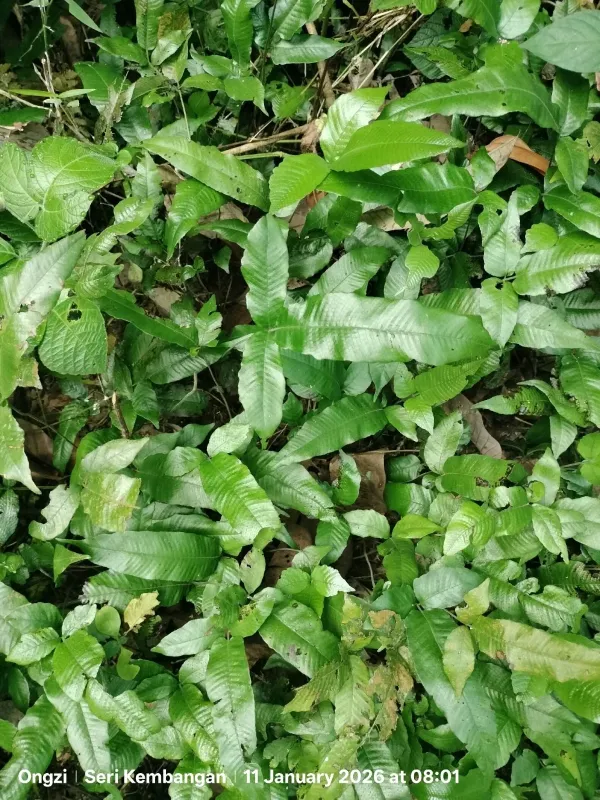
Description
Growing requirements
Thelypteris triphylla is a species of fern belonging to the Thelypteridaceae family, primarily native to the humid tropical and subtropical regions of Southeast Asia. This species is valued for its unique foliage structure and typically thrives in the understory of dense forests.
In terms of climate requirements, this fern demands high ambient humidity and consistently warm temperatures. To maintain healthy growth, growers must ensure that the environment remains between 20°C and 28°C, avoiding any exposure to frost or prolonged dry spells.
Soil management is critical for the survival of this plant. It requires a well-draining, slightly acidic substrate rich in organic matter. A mixture of peat, sphagnum, and perlite is often recommended to maintain the correct balance between moisture retention and aeration.
Regarding light, Thelypteris triphylla performs best under indirect, filtered light. Exposure to direct midday sun can cause severe leaf burn, leading to necrotic spots on the fronds and general plant decline.
Agrotechnical practices involve regular moisture monitoring and light fertilization during the active growing season. It is essential to use fertilizers with a balanced ratio, avoiding high salinity, as the roots are sensitive to mineral accumulation.
Main diseases and pests
The primary pests affecting this species include spider mites, particularly when the ambient air is too dry, and mealybugs that can hide in the dense foliage. Proper ventilation is key to minimizing these infestations.
Pathogenic threats are usually related to improper watering habits. Root rot, caused by various soil-borne fungi, is a common issue when the soil remains waterlogged for extended periods without adequate drainage.