
Thelypteris prolifera
Thelypteris prolifera
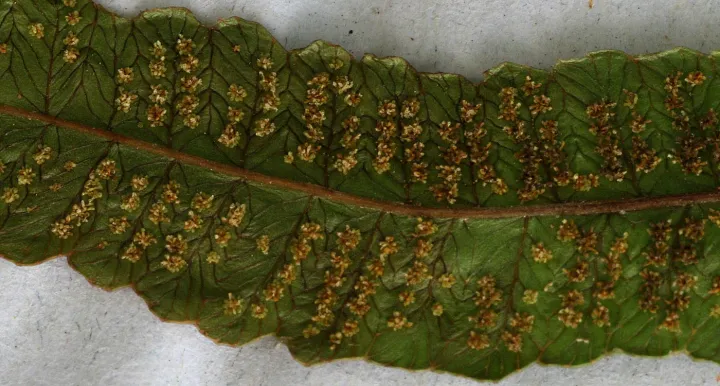
Description
Growing requirements
Thelypteris prolifera, taxonomically recognized as Ampelopteris prolifera, belongs to the Thelypteridaceae family. This distinctive fern species is indigenous to tropical regions across Asia, Africa, and parts of Australia.
The plant thrives in moist environments, often establishing itself along riverbanks, streams, and in seasonally flooded wetlands. Its ability to withstand inundation makes it a unique candidate for specific ecological niches.
Cultivation requires a rich, well-draining organic soil substrate to support its vigorous growth habit. Maintaining high atmospheric humidity is crucial for the health of its foliage, alongside providing filtered, indirect light.
Botanically, this species is noted for its proliferation mechanism, where buds located on the rachis develop into new plantlets. This vegetative reproduction strategy ensures the fern can rapidly colonize favorable habitats.
Industrially and domestically, the young fronds of this fern are valued for their culinary properties in certain regions. Furthermore, its traditional use in ethnomedicine highlights its potential bioactive compounds with anti-inflammatory properties.
Main diseases and pests
The main threats to the health of this fern are soil-borne pathogens and fungi that proliferate in stagnant water conditions. Root rot is a common symptom when drainage is insufficient or substrate acidity is improper.
Pests such as mealybugs, aphids, and spider mites present significant challenges, especially in indoor or greenhouse settings. These pests feed on succulent tissues, leading to stunted leaf development.
Effective management involves maintaining optimal air circulation around the fronds to prevent fungal spore germination. Consistent monitoring for early signs of yellowing or spotting on the foliage is essential.
Sanitation practices, including the removal of dead organic material from the soil surface, help reduce the reservoir of potential pathogens. It is also recommended to sterilize cultivation tools frequently.
The use of integrated pest management (IPM) techniques is preferred over broad-spectrum chemical treatments, as the fern's delicate fronds can react adversely to many commercial chemical agents.