
New York fern
Thelypteris noveboracensis
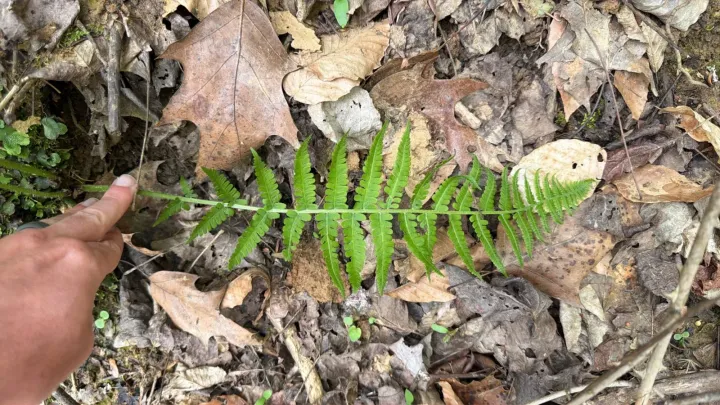
Description
Growing requirements
The New York fern (Thelypteris noveboracensis) is a deciduous perennial fern belonging to the Thelypteridaceae family, widely distributed in the moist woodlands of North America.
This species thrives in partial to full shade and is highly appreciated in landscape design for its ability to cover large areas with its bright green, tapering fronds.
Cultural success depends on maintaining consistently moist, acidic, and well-drained soil rich in organic matter, such as leaf mold or decomposed compost.
The plant demonstrates excellent adaptability to climate conditions within temperate zones, preferring cool summers and protection from drying winds that can desiccate delicate foliage.
Regular maintenance involves keeping the soil consistently damp throughout the growing season, which is crucial for the establishment and proliferation of the fern colonies.
Main diseases and pests
Slugs and snails are the primary pests that target the tender, emerging fiddleheads in the spring, which can significantly stunt the growth of the plant.
Fungal diseases, specifically leaf spots and root rots, occur primarily when plants are subjected to poor drainage or excessive water lingering on the foliage.
Environmental stress caused by prolonged drought or direct exposure to midday sun can make the ferns more susceptible to secondary pest infestations.
Good cultural practices, such as ensuring proper spacing between plants to allow for air circulation, are the most effective ways to prevent most pathological issues.
If chemical intervention is deemed necessary, always use products labeled specifically for ferns, as some broad-spectrum pesticides can cause phytotoxicity to delicate frond tissues.