
Tulworthiopsis
x Tulworthiopsis G. D. Rowley
Description
Growing requirements
Tulworthiopsis (x Tulworthiopsis) is a man-made intergeneric hybrid classified within the Crassulaceae family. This taxonomic entity is the result of breeding programs that successfully crossed members of the genera Tulista and Haworthiopsis, creating unique specimens for horticultural enthusiasts.
Since it is a hybrid of garden origin, Tulworthiopsis does not have a native habitat. It is cultivated globally in private collections, specialist nurseries, and botanical gardens where conditions are optimized to mimic the arid, rocky environments of its ancestral South African predecessors.
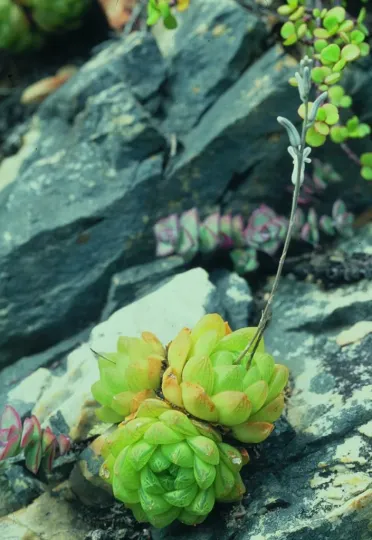
The botanical structure consists of a compact or slightly spreading rosette of succulent leaves. These leaves often exhibit distinct patterns and textures, such as tubercles or white spots, which are inherited from the Haworthiopsis lineage, while the leaf structure itself is often more robust, similar to Tulista.
Growing requirements demand a highly porous and gritty substrate. A suitable mix usually consists of pumice, lava rock, and coarse sand with a very low organic matter content. This allows for rapid drainage, which is crucial for the health of the root system.
Environmental management involves balancing light intensity and airflow. The plants thrive in bright, indirect light conditions. In indoor settings, consistent ventilation is essential to mimic the drying winds of their natural counterparts and prevent the overheating of the leaf tissues.
Main diseases and pests
The primary threats to this cultivar are pathogens associated with poor drainage, specifically fungal infections causing root and basal stem rot. Proper watering technique, which includes allowing the substrate to dry out completely between applications, is the most effective preventative measure.
Pests such as mealybugs represent a secondary but significant threat, often colonizing the tight spaces between leaves. Physical removal combined with mild insecticidal soaps or systemic treatments is typically recommended to keep the plants free from infestation and maintain their aesthetic condition.