
Woodsia
Woodsia
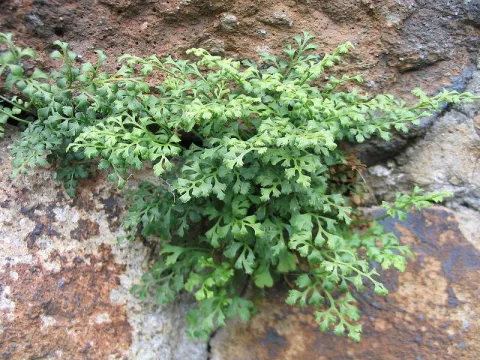
Woodsia is a genus of hardy, perennial ferns belonging to the family Woodsiaceae. These plants are true lithophytes, naturally occurring in rock crevices and scree slopes across the temperate and arctic regions of the Northern Hemisphere, showing remarkable tolerance to extreme environments.
What the section contains
 Alpine woodsia
Woodsia alpina
Alpine woodsia
Woodsia alpina
 Blunt-lobed cliff fern
Woodsia obtusa
Blunt-lobed cliff fern
Woodsia obtusa
 Oregon cliff fern
Woodsia oregana
Oregon cliff fern
Woodsia oregana
 Smooth woodsia
Woodsia glabella
Smooth woodsia
Woodsia glabella
 Woodsia fragilis
Woodsia intermedia
Woodsia intermedia
Woodsia fragilis
Woodsia fragilis
Woodsia intermedia
Woodsia intermedia
 Woodsia macrochlaena
Woodsia macrochlaena
Woodsia macrochlaena
 Woodsia polystichoides
Woodsia polystichoides
Woodsia polystichoides
 Woodsia pulchella
Woodsia pulchella
Woodsia pulchella
 Woodsia scopulina
Woodsia scopulina
Woodsia scopulina
Woodsia
The botanical structure of Woodsia is compact, featuring small, delicate fronds often covered with hairs or scales. This adaptation helps the plant reduce transpiration and protect itself from the harsh winds and high UV radiation typically found in its native mountain habitats.
In terms of cultivation, Woodsia requires excellent drainage, which is the most critical factor for success. The ideal substrate is a mixture of gritty, mineral-rich soil with a neutral to slightly acidic pH, mimicking the rocky ground where these ferns thrive in the wild.
Environmental conditions should include partial shade to full sun depending on the specific species, but protection from extreme heat is generally advisable. These ferns are highly appreciated in rock gardening, where they add a natural, elegant, and ancient feel to stone structures.
Watering requirements are moderate; while the plants need consistent moisture during the growing season, they must never sit in waterlogged soil. Proper air circulation is essential to mimic the open mountain environment and keep the crown of the fern healthy.
The primary threat to the health of Woodsia is root rot, typically caused by poor soil drainage and stagnant water. Preventing overwatering is the most effective way to ensure the plant lives a long and productive life in the garden.
Slugs and snails are the most common pests, as they find the tender emerging fronds highly attractive. Protective barriers like crushed shells or iron phosphate baits are common methods used to keep these mollusks away from the fern crowns.
In rare instances, particularly in low humidity, spider mites may become an issue. Regular inspection of the underside of the leaves is recommended, especially during the peak of summer when heat stress may weaken the plant's natural defenses.
Fungal infections can occur if the foliage remains wet for extended periods in environments with poor air circulation. Proper spacing between individual plants and avoiding overhead watering help mitigate the risk of leaf blight.
By focusing on proper site selection — ensuring the crown sits slightly elevated or on a slope — the gardener can largely eliminate the need for chemical disease control, allowing the Woodsia to remain a staple of the alpine garden.