
Thelypteris arida
Thelypteris arida
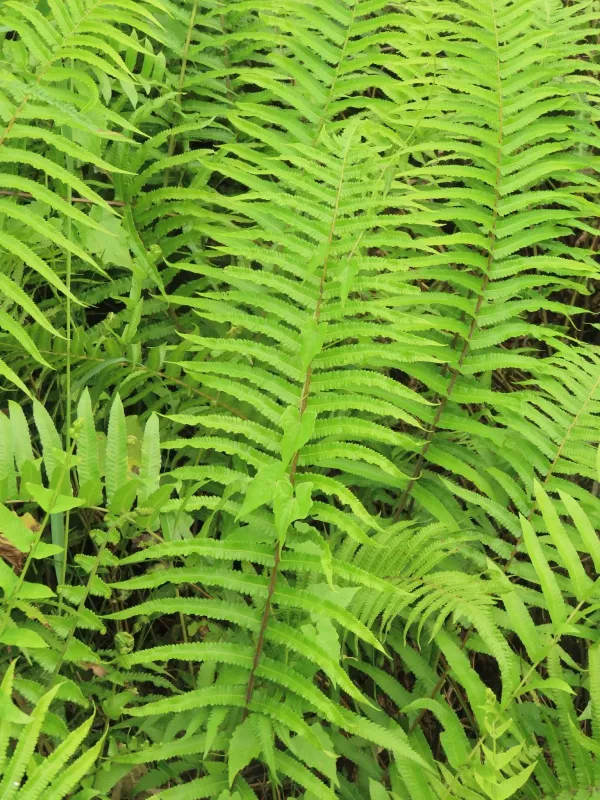
Description
Growing requirements
Thelypteris arida, a member of the Thelypteridaceae family, is a distinct species of rhizomatous fern native to tropical environments. It thrives in shaded habitats where humidity remains consistently high, reflecting its biological preference for stable microclimates.
Botanically, the plant is characterized by its pinnate fronds which exhibit a unique venation pattern. The rhizome system is robust, allowing the plant to persist through seasonal variations in its natural range, which primarily spans across the American tropics.
Optimal growth requires a growing medium that is both moisture-retentive and well-draining. A mix consisting of decomposed bark, peat moss, and perlite is generally recommended to prevent soil compaction and ensure adequate oxygen levels reach the roots.
The climate requirements involve maintaining a constant warm temperature, ideally between 20°C and 25°C. The plant should be shielded from intense direct sunlight, which can cause dehydration and necrosis of the delicate fern fronds.
In terms of usage, Thelypteris arida is widely valued in indoor horticulture and conservatory collections. Its ability to tolerate slightly drier conditions than other species in the genus makes it a versatile candidate for various managed growing environments.
Main diseases and pests
Fungal pathogens represent the most significant threat to the health of the fern. Root rot, typically induced by waterlogged soil, can lead to rapid decline if irrigation cycles are not strictly managed according to the plant's metabolic activity.
Common pests include spider mites and mealybugs, which thrive in stagnant, dry air. Effective management involves increasing ambient humidity and regular inspection of the underside of the fronds, where these pests are most likely to cluster.