
Sophrolaelia
x Sophrolaelia hort.
Description
Growing requirements
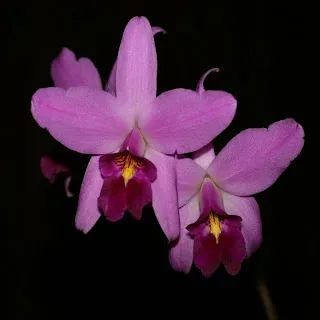
Sophrolaelia (x Sophrolaelia) is a complex intergeneric orchid hybrid created by crossing the genera Sophronitis and Laelia. Belonging to the Orchidaceae family, this plant is highly regarded by collectors for its compact growth habit and vibrant, often saturated flower colors.
As an epiphyte, Sophrolaelia requires bright, filtered light to thrive. While it enjoys a high light intensity, direct scorching sun must be avoided, especially in the summer months, to prevent leaf burn and dehydration of the pseudobulbs.
Temperature management is critical for the success of this culture. A significant drop in temperature during the night is essential to mimic natural habitats, which triggers the plant's metabolic processes and encourages the development of flowering spikes.
Watering techniques should focus on the wet-and-dry cycle. The potting media, typically consisting of high-quality fir bark and charcoal, must be allowed to dry out almost completely between waterings to ensure the roots remain oxygenated and healthy.
The plant requires good air circulation to prevent moisture from lingering too long in the crevices of the leaves. High humidity levels, combined with fresh air, promote vigorous growth and reduce the risk of physiological disorders.
Main diseases and pests
Sophrolaelia is susceptible to various fungal infections, particularly those that target the root system. Overwatering or using decomposed, dense substrate often leads to root rot, which is the most common cause of plant mortality in this group.
Pests like spider mites thrive in indoor environments with low humidity levels. These tiny pests pierce the leaf tissue, causing silvering or yellowing, which severely hinders the plant's ability to photosynthesize effectively.
Mealybugs and scale insects may also infest the plant, hiding in the leaf axils or under the bracts of the pseudobulbs. These pests drain the plant's energy and leave sticky residues that promote sooty mold development.
Effective management includes regular inspection and the use of insecticidal soap or neem oil if infestations occur. Maintaining a clean growing environment is crucial to minimize the presence of these pests.
To ensure long-term health, growers should repot their Sophrolaelia every two years. This refreshes the substrate, removes accumulated mineral salts, and allows for a thorough check of the root system's vitality.