
Thelypteris esquirolii
Thelypteris esquirolii
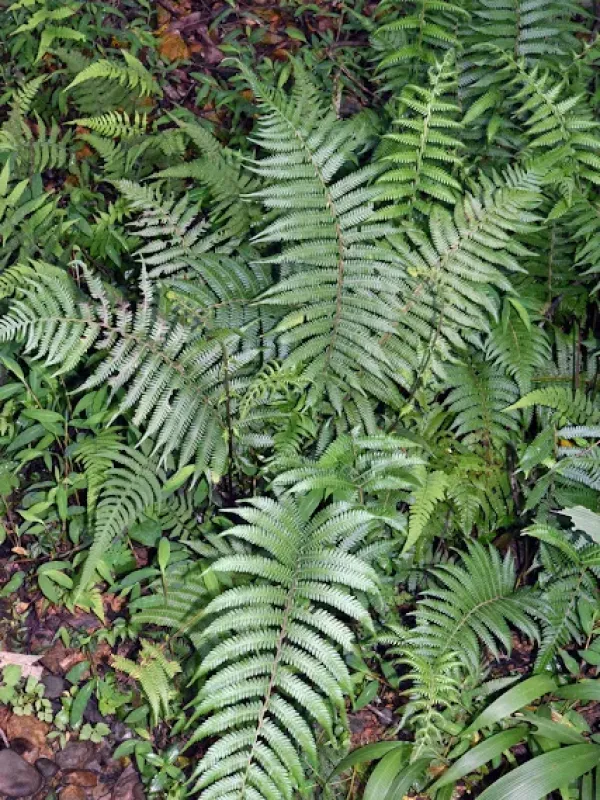
Description
Growing requirements
Thelypteris esquirolii is a perennial fern species belonging to the Thelypteridaceae family. Native to the humid woodland regions of Asia, this plant thrives in environments characterized by high moisture levels and filtered sunlight.
Cultivating this fern requires a nutrient-rich, well-draining soil with an acidic to neutral pH level. It is essential to ensure the soil remains consistently moist but not waterlogged, as poor drainage often leads to root health issues.
In terms of climate, Thelypteris esquirolii prefers mild temperatures and protection from harsh, drying winds. It is ideally suited for woodland-style gardens, deep shade borders, or as a decorative ground cover in protected urban landscapes.
Maintenance involves regular monitoring of soil moisture and the application of organic mulch to retain ground coolness. During the growing season, a balanced, diluted liquid fertilizer may be applied to support the development of lush fronds.
Its primary use is ornamental, providing a soft, green texture to shaded garden areas. Because of its aesthetic appeal, it is highly valued by gardeners looking to create naturalistic landscape designs and fern collections.
Main diseases and pests
The main threat to this species is root rot caused by improper watering practices and poor soil aeration, which compromises the vitality of the rhizome.
Common garden pests such as slugs and snails are frequently attracted to the young, emerging fronds during the wet spring months, leading to significant foliage damage.
Under glasshouse conditions, spider mites can become problematic, thriving in dry air and attacking the undersides of the leaflets, causing discoloration and eventual decline.
Fungal leaf spot diseases may appear during humid and stagnant conditions, necessitating better air circulation and the removal of affected plant debris.
Integrated pest management, including physical barriers for mollusks and environmental control for humidity, is recommended to keep the plants in optimal condition.