
Glandular maiden fern
Thelypteris glanduligera
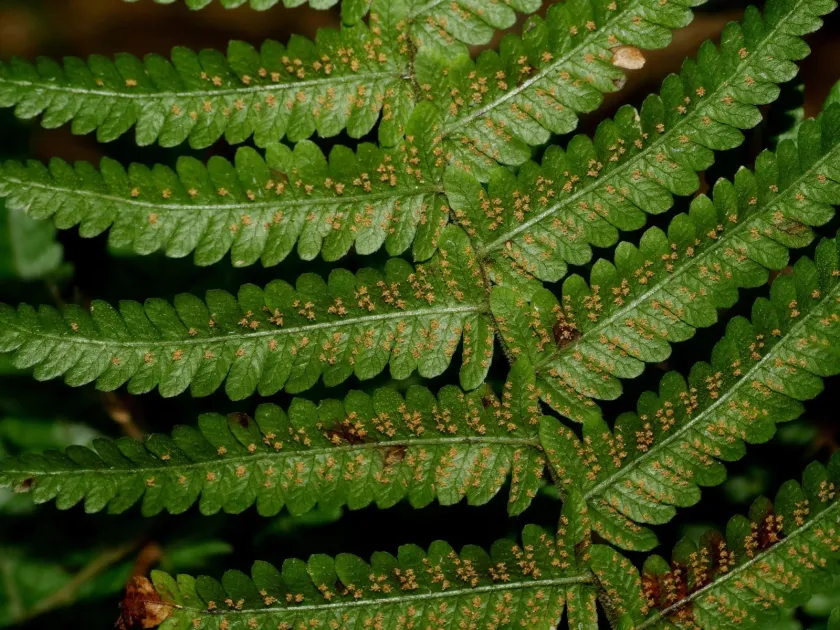
Description
Growing requirements
The glandular maiden fern (Thelypteris glanduligera) is a perennial fern species belonging to the family Thelypteridaceae. Native to East Asian regions, including Japan and China, this fern typically inhabits moist, shaded forest floors and rocky areas near streams, thriving in environments with high ambient humidity.
In cultivation, this species is favored for its delicate, lacy foliage and graceful habit. It requires a shaded or semi-shaded location, as the fronds are sensitive to direct sunlight, which can scorch the delicate tissue. The ideal soil should be rich in organic matter, slightly acidic, and consistently moist but well-draining.
Agronomic management for this fern involves maintaining high soil moisture levels, especially during the active growth phase in spring and summer. It is beneficial to apply a layer of leaf mold or compost mulch around the base of the plant; this practice helps retain soil moisture and stabilizes temperature, mimicking its natural habitat.
The plant demonstrates good adaptability to various garden settings provided that environmental conditions are met. While it is relatively hardy, in regions with harsh winters, providing a layer of protective covering can help safeguard the crown and ensure vigorous regrowth in the following spring season.
The main commercial and horticultural utility of Thelypteris glanduligera lies in landscape design, specifically in woodland gardens and shaded borders. It is often used as a groundcover or a textural accent plant, contributing to the lush, green aesthetic often desired in restorative garden projects.
Main diseases and pests
The fern is generally robust but can suffer from damage caused by gastropods, such as slugs and snails, particularly in damp conditions where these pests are most active. Implementing physical barriers or eco-friendly baiting programs is often sufficient to keep populations in check during the vulnerable early-growth stages.
While disease outbreaks are rare, poor air circulation in crowded planting areas can occasionally lead to fungal leaf spots or powdery mildew. Ensuring proper spacing between plants and avoiding overhead irrigation during stagnant, humid weather are the primary cultural practices for preventing these issues.