
Thelypteris pennigera
Thelypteris pennigera
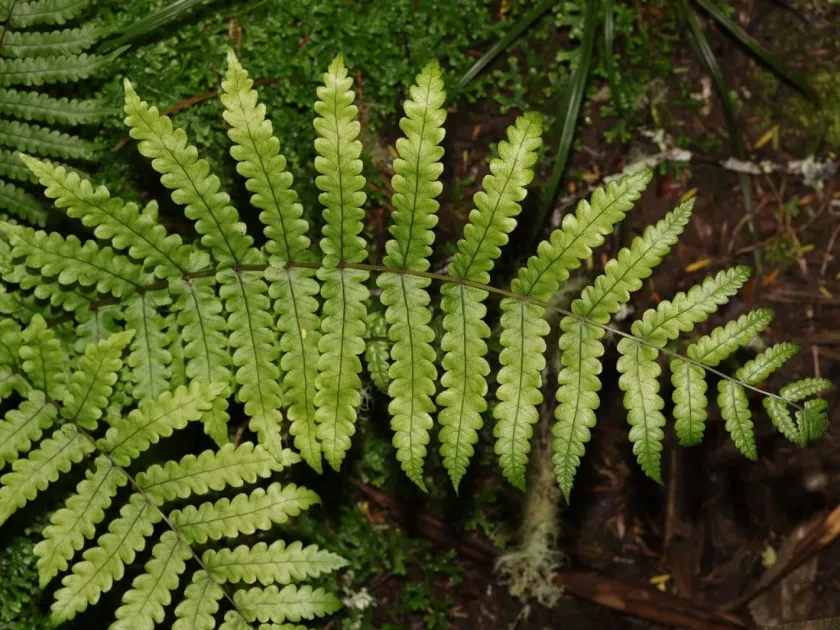
Description
Growing requirements
Thelypteris pennigera is a species of fern in the family Thelypteridaceae. Native to New Zealand and the Pacific islands, this perennial plant is highly valued for its elegant, arching fronds and lush appearance.
The cultivation of this species requires shaded or semi-shaded conditions. In their natural habitat, these ferns thrive under forest canopies, which protect them from intense direct sunlight and drying winds.
Soil requirements are critical: the growing medium must be rich in organic matter, slightly acidic, and well-draining. Keeping the soil consistently moist is essential for the plant's health and vigorous leaf production.
Temperature management is key as the plant is not cold-hardy. It thrives in mild, frost-free climates and should be protected during colder months, making it an excellent candidate for greenhouse or indoor cultivation.
Economically, it is used primarily in ornamental horticulture. Its aesthetic value makes it a popular choice for landscape designers working on shady gardens, fern displays, or botanical conservatories.
Main diseases and pests
Common plant diseases for this fern include root rot, typically caused by waterlogged soil and insufficient drainage. Maintaining a balance between humidity and soil aeration is the primary preventive measure.
Pests that frequently affect Thelypteris pennigera include spider mites and scale insects. These organisms thrive in environments with low air humidity, particularly in indoor settings during the winter season.
Mealybugs can also infest the plant, hiding in the junctions of the fronds. Regular inspection and wiping the foliage with damp cloth can help manage minor infestations before they spread.
Nutrient toxicity may occur if over-fertilized, leading to brown tips on the fronds. It is best to use a balanced, diluted liquid fertilizer formulated specifically for ferns to avoid stressing the root system.
Good air circulation is vital to prevent fungal outbreaks like botrytis. Ensuring the plants are not overcrowded helps maintain a healthy microclimate and reduces the risk of pathogens settling on the leaves.