

Reference · Diseases
Fungal diseases
Powdery mildew is a common fungal disease affecting a wide range of plants, caused by various species of fungi within the order Erysiphales. These fungi are obligate parasites, meaning they must live on a host plant to survive, extracting nutrients via specialized structures called haustoria that penetrate the epidermal cells.
9 655
items
What the section contains
 Leptopeltiosis
Leptopeltis
Leptopeltiosis
Leptopeltis
 Leptopeltis filicina
Leptopeltis filicina
Leptopeltis filicina
 Leptoporus
Leptoporus
Leptoporus
 Leptorhaphis
Leptorhaphis
Leptorhaphis
 Leptorhaphis oxyspora
Leptosillia
Leptosillia
Leptosphaeria leaf spot
Leptosphaeria holmskjoeldii
Leptosphaeria leaf spot
Leptosphaeria planiuscula
Leptorhaphis oxyspora
Leptorhaphis oxyspora
Leptosillia
Leptosillia
Leptosphaeria leaf spot
Leptosphaeria holmskjoeldii
Leptosphaeria leaf spot
Leptosphaeria planiuscula
 Leptosphaeria leaf spot
Leptosphaeria rubicunda
Leptosphaeria leaf spot
Leptosphaeria castagnei
Leptosphaeria leaf spot
Leptosphaeria rubicunda
Leptosphaeria leaf spot
Leptosphaeria castagnei
 Leptosphaeria leaf spot
Leptosphaeria errabunda
Leptosphaeria leaf spot
Leptosphaeria errabunda
 Leptosphaeria leaf spot
Leptosphaeria slovacica
Leptosphaeria leaf spot
Leptosphaeria woroninii
Leptosphaeria leaf spot
Leptosphaeria slovacica
Leptosphaeria leaf spot
Leptosphaeria woroninii
 Leptosphaeria leaf spot
Leptosilliaceae
Leptosphaeria leaf spot
Leptosilliaceae
 Leptosphaeria leaf spot of alfalfa
Leptosphaeria pratensis
Leptosphaeria leaf spot of alfalfa
Leptosphaeria pratensis
 Leptosphaeria leaf spot of speedwell
Leptosphaeria veronicae
Leptosphaeria orthrosanthi
Leptosphaeria orthrosanthi
Leptosphaeria pedicularis
Leptosphaeria pedicularis
Leptosphaeria leaf spot of speedwell
Leptosphaeria veronicae
Leptosphaeria orthrosanthi
Leptosphaeria orthrosanthi
Leptosphaeria pedicularis
Leptosphaeria pedicularis
 Leptosphaeria stem canker
Leptosphaeria doliolum
Leptosphaeriosis
Leptosphaeria sydowii
Leptosphaerulina leaf spot
Leptosphaerulina
Leptosphaeria stem canker
Leptosphaeria doliolum
Leptosphaeriosis
Leptosphaeria sydowii
Leptosphaerulina leaf spot
Leptosphaerulina
 Leptosphaerulina leaf spot
Leptosphaerulina americana
Leptosphaerulina leaf spot
Leptosphaerulina argentinensis
Leptosphaerulina leaf spot
Leptosphaerulina americana
Leptosphaerulina leaf spot
Leptosphaerulina argentinensis
 Leptosphaerulina leaf spot
Leptosphaerulina australis
Leptosphaerulina leaf spot
Leptosphaerulina australis
 Leptosporomyces
Leptosporomyces
Leptosporomyces
 Leptothyrium
Leptothyrium leaf spot
Leptothyrium rosarum
Leptothyrium theae
Leptothyrium theae
Leptotrochila
Leptotrochila
Leptothyrium
Leptothyrium
Leptothyrium leaf spot
Leptothyrium rosarum
Leptothyrium theae
Leptothyrium theae
Leptotrochila
Leptotrochila
 Leptoxyphium
Leptoxyphium
Leptoxyphium
 Leratiomyces
Leratiomyces
Leratiomyces
 Leratiomyces squamosus
Lespedeza phyllachora leaf spot
Phyllachora lespedezae
Leratiomyces squamosus
Leratiomyces squamosus
Lespedeza phyllachora leaf spot
Phyllachora lespedezae
 Lesser celandine rust
Uromyces ficariae
Lesser celandine rust
Uromyces ficariae
 Lesser wax moth
Blasiphalia pseudogrisella
Lessonia
Lessonia
Lesser wax moth
Blasiphalia pseudogrisella
Lessonia
Lessonia
 Lessonia nigrescens
Lessoniaceae
Lessoniaceae
Lessonia nigrescens
Lessonia nigrescens
Lessoniaceae
Lessoniaceae
 Letharia
Letharia
Letharia
 Lethariella
Lethariella
Lethariella
 Lethariella intricata
Lethariella intricata
Lethariella intricata
 Letrouitia
Letrouitia
Letrouitia
 Letrouitia domingensis
Letrouitia domingensis
Letrouitia domingensis
 Letrouitiaceae
Letrouitiaceae
Letrouitiaceae
 Lettuce anthracnose
Microdochium panattonianum
Lettuce anthracnose
Microdochium panattonianum
 Lettuce big vein
Mirafiori lettuce
Lettuce big vein
Mirafiori lettuce
 Lettuce chlorosis
Lettuce chlorosis
Lettuce chlorosis
 Lettuce infectious yellows
Lettuce infectious
Lettuce infectious yellows
Lettuce infectious
 Lettuce necrotic yellows
Lettuce necrotic spot virus
Lettuce necrotic yellows
Lettuce necrotic spot virus
 Lettuce phyllody
Pigeon pea
Lettuce phyllody
Pigeon pea
 Lettuce Phytophthora root rot
Phytophthora lactucae
Leucadendron leptosphaeria
Leptosphaeria leucadendri
Lettuce Phytophthora root rot
Phytophthora lactucae
Leucadendron leptosphaeria
Leptosphaeria leucadendri
 Leucoagaricus
Leucoagaricus
Leucoagaricus
 Leucoagaricus barssii
Leucoagaricus barssii
Leucoagaricus barssii
 Leucoagaricus bresadolae
Leucoagaricus leucothites
Leucoagaricus leucothites
Leucoagaricus bresadolae
Leucoagaricus bresadolae
Leucoagaricus leucothites
Leucoagaricus leucothites
 Leucoagaricus macrorrhizus
Leucoagaricus melanotrichus
Leucoagaricus melanotrichus
Leucoagaricus macrorrhizus
Leucoagaricus macrorrhizus
Leucoagaricus melanotrichus
Leucoagaricus melanotrichus
 Leucoagaricus sublittoralis
Leucocintractia
Leucocintractia
Leucoagaricus sublittoralis
Leucoagaricus sublittoralis
Leucocintractia
Leucocintractia
Marketplace
Products in this section · 12

Fungal diseases
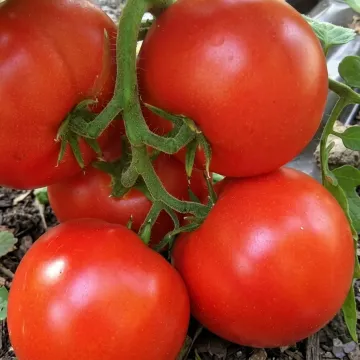
The disease attacks a vast array of crops, including cereals, vegetables, fruit trees, and ornamental plants. Crops like cucumbers, grapes, roses, and apples are particularly susceptible, making powdery mildew one of the most frequently encountered challenges in both commercial agriculture and home gardening.
The most recognizable symptom is the development of a white or grayish, powdery-looking fungal growth on the surface of leaves, stems, and flowers. As the infection progresses, the powdery spots expand and merge. Heavily infested tissues may become yellowed, distorted, stunted, or develop necrotic spots, eventually leading to leaf drop.
The fungus thrives in conditions of high humidity (without direct moisture on leaves) and moderate temperatures, typically between 18°C and 25°C. Poor air circulation caused by overcrowding, as well as excessive nitrogen fertilization which promotes lush but tender new growth, significantly increase the plant's susceptibility to the pathogen.
The economic impact of powdery mildew is severe, as the disease reduces the plant's photosynthetic capacity, leading to reduced vigor and diminished crop yields. In commercial fruit and vegetable production, the cosmetic damage caused by the fungus often renders the produce unmarketable, leading to substantial financial losses.
Effective management and prevention strategies include:
- Selecting plant varieties with documented resistance to powdery mildew.
- Maintaining proper spacing between plants to improve airflow and reduce humidity around the foliage.
- Pruning and removing infected plant parts to limit the source of inoculum.
- Applying a balanced fertilizer regime to avoid excessive nitrogen stimulation.
- Using preventative or curative fungicides, such as sulfur-based products, potassium bicarbonate, or systemic triazoles.