
Leptosphaeria leaf spot of speedwell
Leptosphaeria veronicae
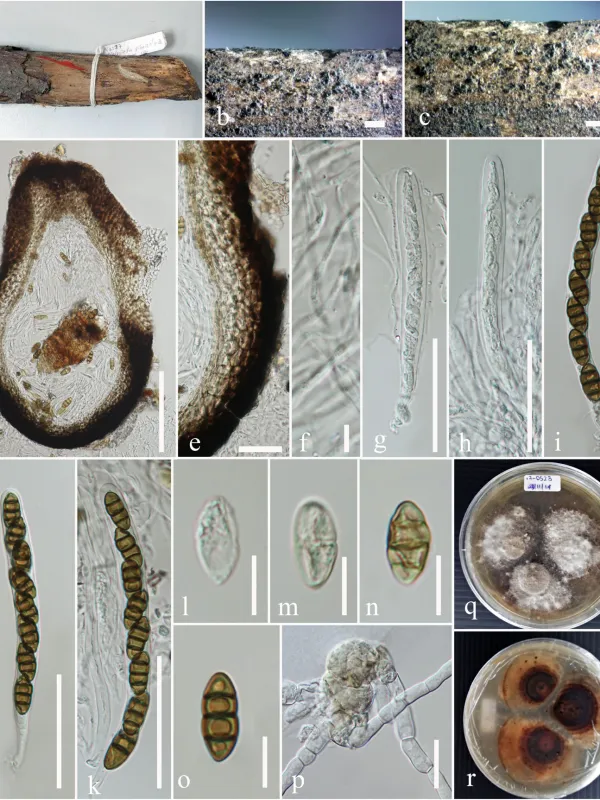
Description
Symptoms
The primary symptom of the disease is the appearance of small, irregular or circular spots on the leaves of the speedwell plant. These lesions often begin as tiny necrotic dots that expand over time.
As the infection matures, the centers of the spots often become lighter, tan or gray in color, surrounded by a distinct dark brown or purple margin. This pattern is characteristic of many fungal leaf spots including those caused by Leptosphaeria species.
Heavy infestation leads to the merging of multiple spots, which can cause large areas of the leaf blade to turn brown and necrotic. This condition significantly impairs the plant's photosynthetic capacity.
In humid conditions, small black structures known as pycnidia may appear within the infected leaf tissue. These are the fruiting bodies of the fungus, facilitating the further spread of spores.
Severe infections can lead to premature leaf yellowing and shedding, often starting from the bottom of the plant and moving upwards, which severely diminishes the plant's aesthetic value.
Pathogen
The causative agent of this disease is the ascomycete fungus Leptosphaeria veronicae. It is a specialized pathogen that specifically targets various species within the Veronica genus.
The fungus survives the winter primarily in infected plant debris, including fallen leaves and stems. When favorable conditions return in the spring, it produces spores that initiate new infections.
The pathogen reproduces via conidia and ascospores. These spores are disseminated primarily through wind currents and splashing rain, allowing the disease to move rapidly through garden beds.
Leptosphaeria veronicae acts as a biotroph or hemibiotroph, initially colonizing plant tissues and extracting nutrients while maintaining the host's vitality, before eventually killing the tissue to facilitate sporulation.
Its biological cycle is tightly linked to the moisture levels of the plant canopy. Once the fungus penetrates the stomata, it establishes a mycelial network that is difficult to eradicate without systemic treatments.
Conditions for development
Disease development is highly dependent on humidity. Periods of prolonged rainfall, heavy dew, or high humidity create the perfect environment for the germination of fungal spores.
Poor air circulation, often caused by planting speedwells too close together or in shaded areas, contributes to moisture retention on the leaves, which is essential for the pathogen to thrive.
Overhead irrigation is a significant factor in disease spread. Water droplets on the leaves provide a medium for spores to move and germinate, especially if the water remains overnight.
Temperature plays a crucial role in the speed of infection. While the fungus is active in various temperatures, moderate warmth combined with high humidity accelerates its growth cycle significantly.
Plants that are nutrient-stressed or suffering from poor soil drainage are generally more susceptible to infection. Maintaining optimal growing conditions is a primary defense against the fungus.
Why it matters
The primary impact of Leptosphaeria veronicae is the degradation of the plant's decorative appearance. This makes the species unsuitable for professional landscapes or high-end garden displays.
By damaging the leaves, the fungus disrupts the plant's ability to produce energy through photosynthesis, leading to stunted growth, reduced flowering, and overall plant decline.
Repeated annual infections can weaken the plant's root system, making it less capable of surviving harsh winter conditions and more prone to secondary infections from other pathogens.
In nursery settings, an outbreak of this leaf spot can lead to significant economic losses, as infected plants become unsellable due to their poor aesthetic condition and the risk of spreading disease.
If left unmanaged, the pathogen can quickly colonize an entire collection of speedwells, turning a vibrant green patch into a withered and unsightly collection of necrotic stems and foliage.
Protection
Sanitation is the cornerstone of management. Removing and destroying all infected plant matter at the end of the growing season is crucial to reducing the fungal population on the site.
Promoting good airflow is essential. Ensure that plants are spaced correctly according to their growth habits, and avoid planting them in areas where air movement is restricted by walls or fences.
Switch to drip irrigation to keep the foliage dry. If overhead watering is unavoidable, do it early in the morning so that the leaves have enough time to dry off completely during the day.
Apply fungicides if the infection becomes widespread. Systemic fungicides, particularly those belonging to the triazole or strobilurin classes, are generally effective at controlling the spread of the fungus.
Boosting plant health through balanced fertilization and proper soil preparation can improve the natural resilience of speedwell against Leptosphaeria, making it less likely for the fungus to take hold.
Discussion
No discussions yet — be the first.