
Lesser celandine rust
Uromyces ficariae
Description
Symptoms
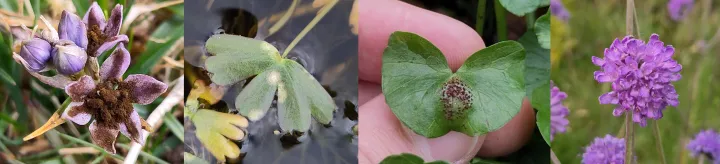
The primary symptom of the disease is the appearance of characteristic pustules on both sides of the leaves and stalks of the lesser celandine Ranunculus ficaria.
During the early stages of the infection in spring, aecidia form, which appear as yellowish or orange raised lesions on the plant tissues.
As the pathogen matures, uredinia and telia develop, appearing as dark, powdery spots that are typical for many species of rust fungi.
Heavily infected plant tissues often show signs of deformation, curling, and premature drying, leading to a general decline in the host's vitality.
In cases of severe infestation, chlorotic or necrotic zones may appear around the spore-bearing areas, indicating physiological stress within the plant.
Pathogen
The causative agent of this disease is a specialized rust fungus identified as Uromyces ficariae, which belongs to the order Pucciniales.
It is an obligate parasite, meaning it relies entirely on the living tissues of the host plant, specifically the lesser celandine, to complete its life cycle.
The pathogen is highly adapted to its host and produces specific spore types that are essential for its survival and transmission during the growing season.
This fungus belongs to the family Pucciniaceae, known for producing single-celled teliospores that facilitate the survival of the pathogen across different environments.
The biological cycle is tightly linked to the phenology of the host, ensuring the fungus remains active during the active growth phase of the lesser celandine.
Conditions for development
The development of the disease is strictly dependent on climatic factors, particularly high humidity and the presence of moisture on plant surfaces.
Cool and damp weather conditions during the early spring provide an ideal environment for spore germination and rapid infection of new leaves.
Dense clusters of lesser celandine create a microclimate with high humidity levels, which significantly accelerates the spread of the fungal infection.
Airborne dispersal of spores is the primary mechanism by which the pathogen moves from infected individuals to healthy plants across the site.
Prolonged wetness on leaf surfaces is a critical requirement for the successful penetration of fungal hyphae through the plant's stomata.
Why it matters
The damage caused by the rust is primarily due to the disruption of photosynthesis, as the fungus destroys leaf tissue and reduces the active assimilation area.
By sequestering nutrients from the host, the pathogen weakens the plant, preventing the proper accumulation of energy reserves in its tubers for dormancy.
Chronic infection results in a loss of vigor, rendering the plant more susceptible to environmental stresses and limiting its overall growth potential.
Physical damage to the leaf epidermis creates entry points for secondary pathogens, which can lead to further rot and tissue necrosis in humid conditions.
At an ecosystem level, severe infestations can lead to a significant decline in the population density of the lesser celandine in its native habitat.
Protection
The most effective initial control measure is regular monitoring and the manual removal and destruction of infected plant material to reduce spore loads.
Improving air circulation through proper spacing and thinning of dense plant patches can help lower humidity and suppress fungal growth.
In ornamental garden settings, the application of systemic fungicides targeting rust diseases may be necessary to manage severe outbreaks.
Cultural practices such as avoiding overhead watering and maintaining good soil drainage are crucial to preventing the conditions that favor the pathogen.
Strict sanitation protocols, including the removal of all plant debris at the end of the season, are essential to minimize overwintering inoculum.
Discussion
No discussions yet — be the first.