
Leptosphaerulina leaf spot
Leptosphaerulina australis
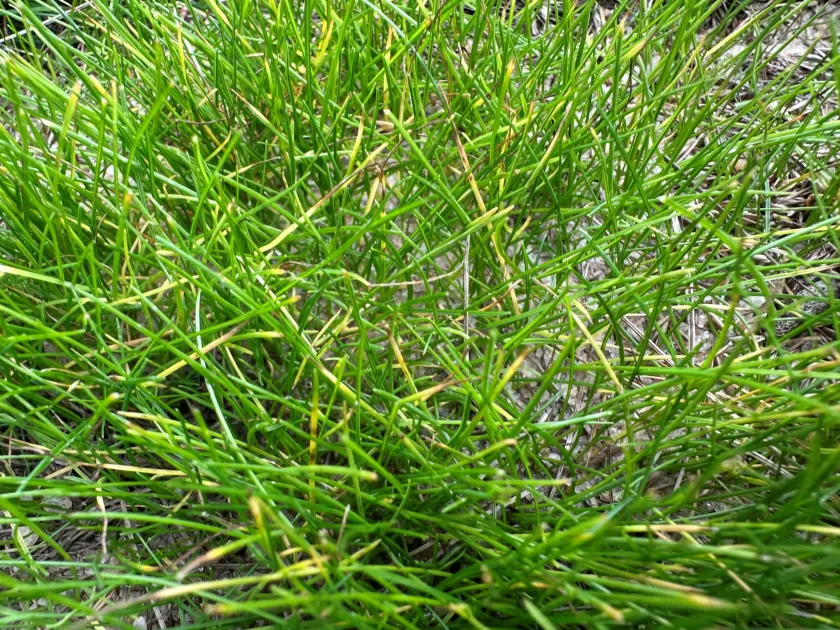
Description
Symptoms
The primary symptom of the infection is the appearance of small, chlorotic or light-colored spots on leaves and petioles. Over time, these spots expand and typically turn light brown or grey, often bordered by a darker margin.
A distinctive feature of this disease is the presence of minute black structures (perithecia) in the center of the lesions. These are often visible to the naked eye or with a hand lens, appearing as tiny pimple-like dots.
As the infection progresses, individual spots may coalesce to form larger, irregular necrotic patches. This results in the browning and eventual death of the affected leaf tissue, significantly reducing the plant's photosynthetic efficiency.
Stem lesions can also occur, presenting as elongated dark streaks or spots. Severe infections can lead to girdling of the stem, which disrupts the vascular transport of nutrients and water, potentially causing wilting or stem lodging.
- Initial chlorotic spots turning necrotic.
- Formation of dark fungal fruiting bodies in lesion centers.
- Coalescence of lesions causing large dead areas.
- Premature leaf senescence and tissue collapse.
Pathogen
The disease is caused by the ascomycete fungus Leptosphaerulina australis. This pathogen behaves primarily as a weak parasite or saprotroph, opportunistically infecting plant tissues when environmental conditions are conducive.
The fungus produces sexual fruiting bodies known as perithecia, which develop within the necrotic lesions of the host. These perithecia release ascospores, serving as the primary inoculum for spreading the disease during the growing season.
The mycelium colonizes the epidermis and underlying tissue, secreting enzymes that lead to cellular death. This pathogenic activity is particularly effective against plants already under stress or those experiencing prolonged moisture.
Leptosphaerulina australis can persist in plant debris and soil for extended periods, making crop residues a significant reservoir for infection. Its survival strategy ensures its presence in fields where rotation is not strictly practiced.
Dissemination is facilitated by wind currents and water splashes, which carry spores from the debris to the leaves and stems of emerging or mature crops, initiating the infection cycle repeatedly under favorable moisture.
Conditions for development
The development of Leptosphaerulina leaf spot is heavily dependent on moisture. Prolonged periods of rainfall, high humidity, frequent dew, or overhead irrigation are essential conditions for spore germination and infection.
Temperature plays a crucial role, with an optimal range of +18°C to +25°C promoting rapid fungal growth and tissue colonization. Under these conditions, the disease can spread quickly across a field.
Dense crop canopies that limit airflow create a localized microclimate with high relative humidity. This lack of ventilation is a significant contributor to the severity of the outbreak within a crop.
Nutrient imbalance, particularly excessive nitrogen, can lead to succulent plant tissue that is more susceptible to fungal entry. Conversely, balanced fertilization helps maintain stronger physical barriers within the plant.
Poor sanitation, such as leaving infected harvest residues on the field, allows the fungus to overwinter. A failure to incorporate these residues into the soil provides a continuous source of inoculum for the next cycle.
Why it matters
The primary impact of the disease is a reduction in crop yield and quality. By destroying leaf area, the fungus limits the plant's ability to produce energy, which directly correlates to decreased biomass and fruit development.
For forage and hay crops, the infection reduces both the yield and the nutritional quality of the forage. Diseased leaves often have lower protein and vitamin content, making the harvest less valuable for livestock feed.
In horticultural crops, the damage to foliage can lead to early defoliation, which stunts growth and lowers the marketability of the produce. This damage often requires additional sorting and reduces the final harvest volume.
Weakened plants are more susceptible to secondary infections by more aggressive pathogens, complicating the disease profile and requiring integrated management approaches to mitigate overall crop damage.
Economic losses arise not only from the direct reduction in yield but also from the costs associated with fungicide applications and the potential need to harvest earlier than optimal to avoid further fungal spread.
Protection
Crop rotation is the most effective cultural practice for managing this disease. Avoiding susceptible host plants for several years allows the existing inoculum in the soil and residues to decline naturally.
Sanitation practices, such as the removal or deep incorporation of crop debris, are vital. Buried residue decomposes faster, significantly reducing the survival of the fungus and preventing future infection cycles.
Managing planting density and weed control improves canopy airflow, which helps keep the foliage dry. Reducing leaf wetness duration is a key strategy in preventing spore germination and subsequent tissue penetration.
Chemical control involving systemic fungicides can be effective if applied early or when environmental conditions strongly favor disease development. Monitoring the crop regularly ensures that interventions occur before the disease reaches threshold levels.
Choosing resistant or tolerant cultivars and ensuring balanced fertility—specifically adequate potassium levels—can enhance the plant's natural defenses, reducing the impact of the pathogen even if spores are present.
Discussion
No discussions yet — be the first.