
Leptoxyphium
Leptoxyphium
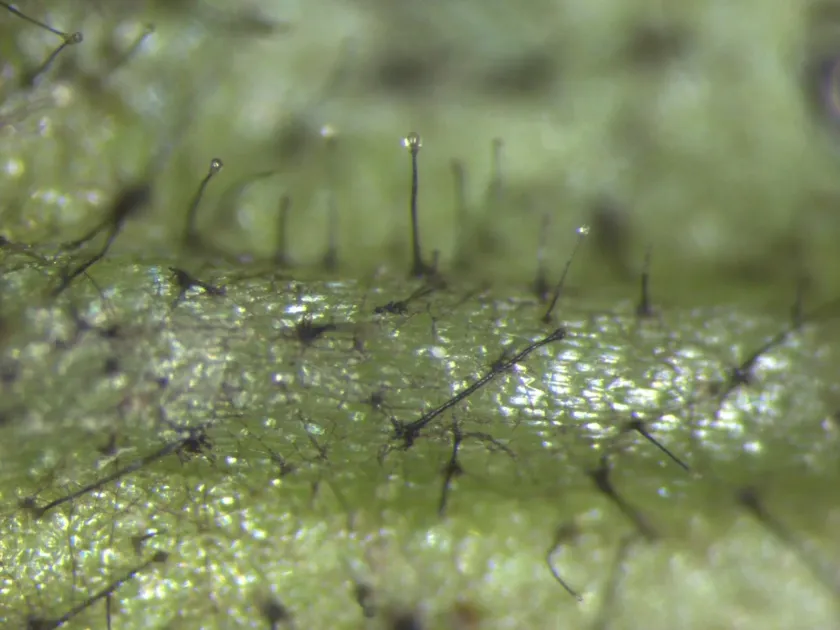
Description
Symptoms
The primary symptom is the appearance of a dark, soot-like film on leaves, stems, and fruits. This powdery or crusty substance is the physical presence of the fungal mycelium.
Initial infection often appears as isolated black spots where honeydew has accumulated. Under favorable conditions, these spots coalesce to cover entire leaves, blocking light entirely.
The fungal layer is superficial and can often be rubbed off with a damp cloth. However, its presence indicates a underlying problem with insect infestations that must be addressed.
In severe cases, the soot can cover reproductive structures and fruit. This significantly diminishes the aesthetic appeal of ornamental plants and the market value of edible crops.
- Dark, velvety, or powdery black discoloration.
- Presence of sticky residues (honeydew) under the mold.
- Reduced green color intensity of the underlying leaf tissue.
- Premature leaf drop in cases of heavy coverage.
Pathogen
The disease is caused by fungi of the genus Leptoxyphium, which are members of the sooty mold family. These fungi grow as a black, superficial layer on the surface of plant parts.
Unlike parasitic fungi, Leptoxyphium does not penetrate the host's internal tissues. It is a saprotrophic fungus that lives strictly on the surface, utilizing external nutrients.
The biological cycle is completely dependent on the presence of phloem-feeding insects such as aphids, whiteflies, and scale insects. These insects excrete a sugary substance known as honeydew.
The honeydew acts as a rich growth medium for the spores of the fungus. The fungus consumes these sugars and rapidly expands its mycelial network across the leaf or fruit surface.
This colonization manifests as a dense black mat. The fungus persists as long as the insect infestation continues to provide the necessary nutritional supply of honeydew.
Conditions for development
High humidity and warm temperatures are the primary environmental drivers for Leptoxyphium. These conditions favor both the growth of the mold and the reproduction of the insects that facilitate it.
Greenhouses and indoor environments are especially prone to outbreaks due to poor ventilation and stagnant, humid air, which prevents plant surfaces from drying out.
Plant density is a significant factor. Overcrowded crops create microclimates with restricted airflow, significantly increasing the likelihood of rapid fungal spread between neighboring plants.
The presence of insect vectors is the most critical condition. Without aphids, scale, or whiteflies providing a continuous source of sugary secretions, the fungus cannot thrive or spread.
The disease is most prevalent during active growing seasons when insect populations are at their peak and humidity levels remain consistently high for extended periods.
Why it matters
The most significant harm is the inhibition of photosynthesis. The dense black mold layer blocks sunlight, preventing it from reaching the plant's chloroplasts, which effectively starves the plant.
The layer also clogs stomata, the tiny pores responsible for gas exchange. This interferes with the plant's ability to breathe, leading to metabolic stress and reduced overall vitality.
Secondary damage occurs because the mold can trap moisture against the surface of fruits and leaves, creating favorable conditions for other more dangerous rot-causing pathogens.
For commercial growers, the aesthetic and qualitative loss is profound. Produce covered in sooty mold is considered non-marketable and often rejected by distributors and consumers.
Long-term infestation results in stunted growth, leaf chlorosis, and, in some cases, the death of the plant due to persistent physiological stress and lack of energy production.
Protection
Effective management focuses on eliminating the insect vector. Using systemic or contact insecticides to control aphids, whiteflies, and scale is the most important step in disease control.
Improving cultural practices such as adequate spacing and pruning helps improve air circulation. This lowers humidity around the foliage and discourages fungal growth.
Regular monitoring of plants allows for early detection of insect colonies. Managing the insects at the first sign of infestation prevents the development of the fungus.
Physical removal of the mold through gentle washing with water or a mild soap solution can clean affected surfaces, but this will be futile if the insect population is not also removed.
Preventative measures include cleaning up greenhouse debris and ensuring that plants are not stressed, as healthy plants are more resilient to insect attacks and subsequent secondary infections.
Discussion
No discussions yet — be the first.