
Leratiomyces squamosus
Leratiomyces squamosus
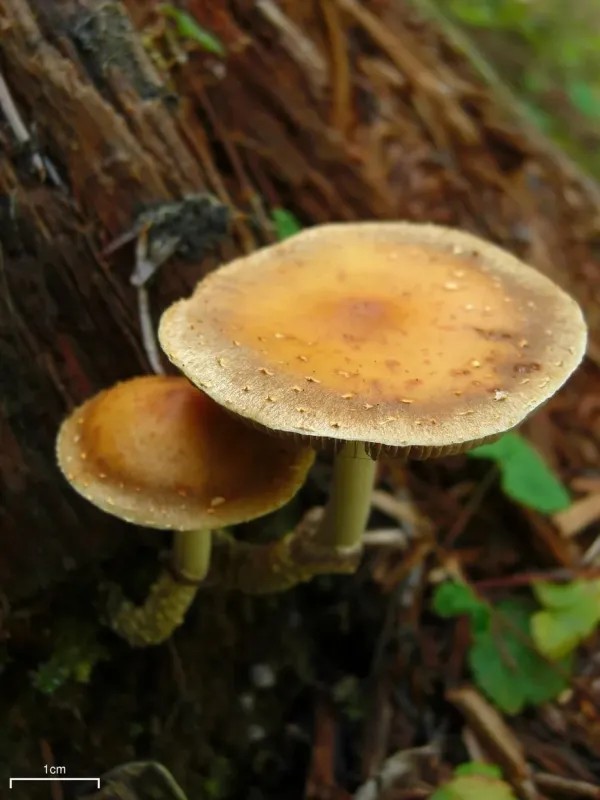
Description
Pathogen
The pathogen is the fungus Leratiomyces squamosus, a member of the Strophariaceae family. It was previously categorized under the genus Stropharia, which is a common citation in historical scientific literature.
This organism is generally classified as a saprotroph, but it can act as a facultative parasite under conditions of host plant weakness. It thrives in soils rich in organic matter.
The fungus produces distinctive fruiting bodies with scaly caps, which are the primary means of dispersal. Spores are released into the air and can travel significant distances.
Biologically, the species is characterized by rapid mycelial growth and an ability to utilize complex organic fibers. It plays a significant role in organic matter decomposition.
Identification is based on morphological markers such as cap color and scale density. In laboratory settings, specific nutrient substrates are required for mycelial isolation.
Conditions for development
High soil moisture and humidity are the most critical factors for the development of the fungus. Waterlogging in poorly drained areas creates an ideal environment for spore germination.
Optimal temperatures for development range between +15 to +22 degrees Celsius. Extreme temperatures outside this range typically inhibit growth but do not eradicate the pathogen.
Large amounts of crop residues left on the soil surface promote the accumulation of the fungus. Using uncomposted organic matter as fertilizer is a significant risk factor.
Poor soil aeration and dense planting patterns foster a microclimate that supports fungal colonization. This is particularly prevalent in greenhouses and intensive farming systems.
The spread of the fungus often occurs through human activity, including contaminated tools and machinery. Strict sanitation protocols are necessary to prevent the introduction of the pathogen to new plots.
Why it matters
The damage caused by this fungus is largely related to the competition for soil nutrients. It can weaken the root systems of crops, making them more vulnerable to secondary infections.
Infected plants may exhibit stunted growth, yellowing, and reduced vitality. In severe cases, the fungus may contribute to root rot and premature wilting.
Seedlings are particularly susceptible during the early stages of growth when their immune system is still developing. This can lead to significant reductions in stand density.
Economic losses arise from reduced yields and the lower market quality of the harvest. Farmers may also incur additional costs for sanitation and soil treatment measures.
The presence of this fungus is often an indicator of poor soil health or mismanagement of organic waste. Continuous presence can jeopardize the long-term productivity of the land.
Protection
Cultural practices, such as deep plowing and regular removal of plant debris, are the most effective preventive measures. Ensuring that compost is fully mature before application is crucial.
Crop rotation helps to break the life cycle of the pathogen by alternating plant hosts. This limits the build-up of inoculum in the soil over time.
The use of biological control agents, such as Trichoderma-based products, is highly recommended to suppress soil-borne pathogens. These agents outcompete the fungus for resources.
Adjusting soil pH through liming can create an environment that is less favorable for the fungus. Maintaining healthy soil structure through drainage also limits fungal activity.
If chemical control is necessary, systemic fungicides should be applied according to local regulatory standards and guidelines. Integrated Pest Management (IPM) is the best approach for long-term control.
Discussion
No discussions yet — be the first.