
Leptothyrium
Leptothyrium
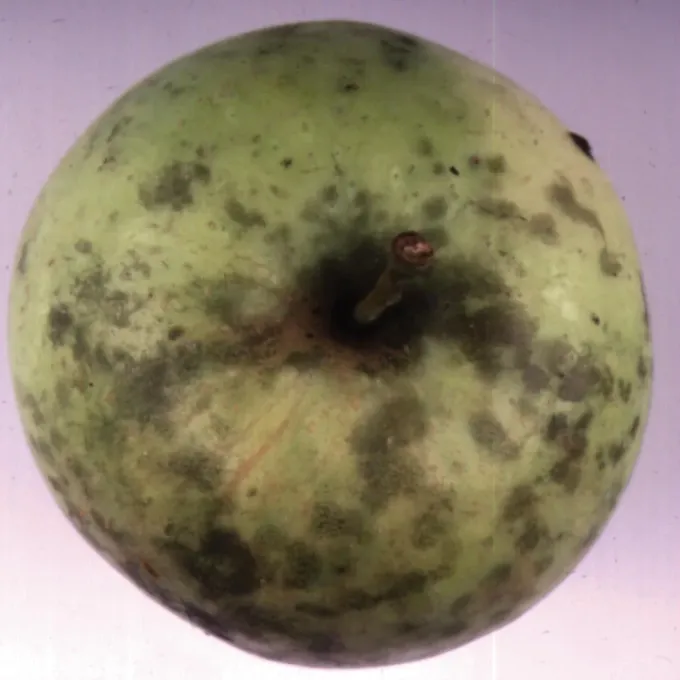
Description
Symptoms
The hallmark symptom of Leptothyrium infection is the appearance of numerous small, black, dot-like spots on the surface of the leaves. These spots are often circular and may appear as tiny, hard, scale-like structures that are firmly attached to the leaf cuticle.
In many cases, these black spots are surrounded by chlorotic or necrotic tissue, indicating localized cell death. As the disease progresses, these individual lesions can merge, leading to extensive browning and the eventual drying out of the entire leaf.
Unlike some other fungal diseases, the black dots produced by Leptothyrium are often stubborn and cannot be easily wiped off without damaging the leaf tissue. This persistence makes the infection visually distinct from common dust or soot accumulation on leaves.
Symptoms often manifest first in the lower, more shaded parts of the canopy where humidity levels are higher. Over time, and given optimal conditions, the disease moves upward, potentially affecting the entire foliage of the tree or shrub.
Severe infestations often result in premature leaf drop, which can significantly alter the appearance of the plant. Such defoliation is a clear sign that the infection has reached a critical stage and requires immediate intervention to preserve the plant's health.
Pathogen
Leptothyrium is a fungal disease caused by various species within the Leptothyrium genus. These fungi are classified as pycnidial pathogens, which primarily target the foliage of trees, shrubs, and ornamental plants, significantly impacting their aesthetic and health status.
The life cycle of the pathogen involves the development of pycnidia, which are tiny, dark, spore-producing structures that form within the leaf tissues. These structures release spores that are easily dispersed by water droplets, wind, or even insects to infect neighboring healthy leaves.
The fungus overwinters on infected plant debris, especially fallen leaves that remain beneath the canopy. Given this survival strategy, the primary source of infection in the spring comes from these remnants, making sanitation a vital practice for disease control.
During the spring, favorable environmental conditions trigger the release of conidia, which initiate primary infections on emerging leaves. The pathogen then spreads rapidly across the foliage throughout the growing season, especially during periods of high humidity.
Biologically, the fungus is adapted to colonize the leaf surface, forming dense mats or dots that obstruct the normal function of the epidermis. This parasitic strategy ensures the survival of the fungus at the direct expense of the host plant's physiological vitality.
Conditions for development
Leptothyrium thrives in environments characterized by persistent high humidity and frequent rainfall. The presence of water film on leaf surfaces is essential for spore germination and the successful penetration of the fungus into the plant's tissues.
Temperature plays a crucial role, with warm weather (typically between 18°C and 25°C) being ideal for the rapid development of the mycelium. In such conditions, the time between infection and the appearance of symptoms is significantly reduced.
Poor airflow, often caused by overly dense planting or lack of proper pruning, creates stagnant microclimates that are highly conducive to the spread of the disease. Such environments act as incubators for the fungus throughout the growing season.
Plants under physiological stress—due to poor soil nutrition, drought, or pest pressure—are inherently more susceptible to Leptothyrium. A healthy plant with a robust immune system is much better equipped to resist infection, even when spores are present.
Greenhouse or nursery conditions can be particularly dangerous, as the climate is controlled and stable, which can lead to rapid, widespread infection cycles if biosecurity measures are not strictly followed.
Why it matters
The primary harm caused by Leptothyrium is the inhibition of photosynthesis. By covering significant portions of the leaf surface, the fungus deprives the plant of the energy it needs for growth, fruit production, and overall metabolic health.
Premature leaf drop forced by the infection exhausts the plant's nutrient reserves. This leaves the plant ill-prepared for winter dormancy, significantly increasing the risk of frost damage or death during particularly cold seasons.
Reduced plant vigor makes the host more vulnerable to secondary opportunistic infections, such as bark cankers or stem rot. This compound stress can drastically shorten the lifespan of ornamental trees and fruit-bearing cultivars.
For fruit and berry crops, Leptothyrium can lead to reduced harvest quality and quantity. Fruits may fail to develop properly, becoming smaller and less palatable, which directly impacts the commercial value of the yield for the grower.
In ornamental landscaping and nurseries, the loss of foliage density and the presence of unsightly black spots lead to a loss of commercial attractiveness. This forces growers to either treat the plants extensively or dispose of the damaged stock entirely.
Protection
Sanitation is the cornerstone of Leptothyrium management. Every autumn, it is imperative to collect and dispose of all fallen leaves to destroy the overwintering sites of the fungus, thereby reducing the initial spore load for the next spring.
Regular pruning of the canopy is essential to improve light penetration and airflow. By reducing the duration of leaf wetness and eliminating high-humidity microclimates, you create an environment that is hostile to fungal growth.
- Application of preventative copper-based fungicides at the onset of the growing season.
- Usage of systemic fungicides to treat active infections when spotted early.
- Maintaining optimal fertilization schedules to boost plant defenses.
- Early detection and removal of heavily infected branches to slow down spread.
- Selecting resistant varieties when planning new landscapes or orchards.
When using fungicides, it is vital to rotate products with different active ingredients to prevent the fungus from developing resistance. This strategic approach ensures long-term efficacy and keeps the disease under control.
Always adhere to the instructions on product labels, especially regarding application frequency and safety intervals before harvest. This ensures both effective management of the disease and the production of safe, healthy crops.
Discussion
No discussions yet — be the first.