
Leratiomyces
Leratiomyces
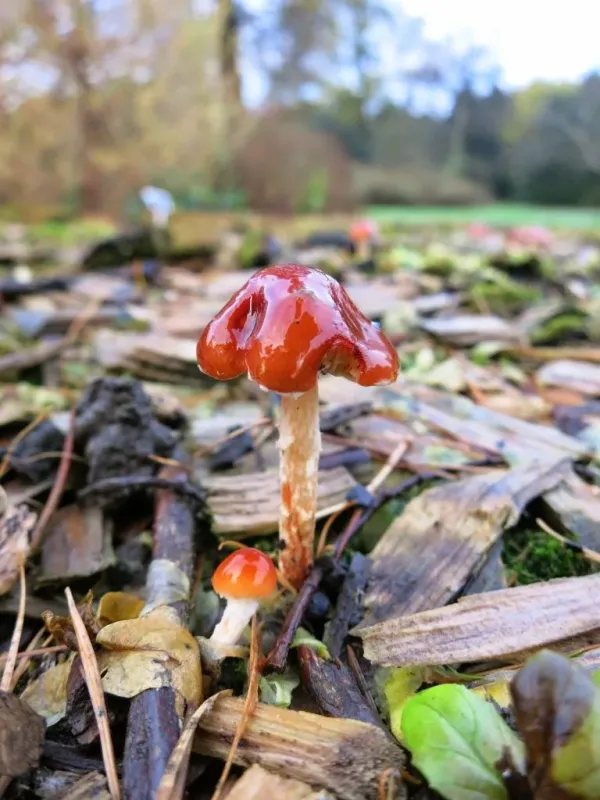
Description
Pathogen
The genus Leratiomyces comprises a group of basidiomycetous fungi that typically act as saprotrophs, playing a vital role in decomposing organic matter. While primarily found on decaying wood and forest litter, they can colonize weakened horticultural crops.
The pathogen reproduces via spores, which are disseminated by wind, rain, or insects. These spores land on susceptible woody surfaces, especially where the protective bark layer has been breached by environmental or physical stress.
Once settled, the mycelium of Leratiomyces secretes enzymes to break down lignin and cellulose within the wood structure. This decomposition process allows the fungus to obtain nutrients necessary for the formation of its characteristic, often brightly colored, fruit bodies.
In terms of plant pathology, while they are not typically primary killers of healthy trees, their presence acts as an indicator of physiological stress. They thrive in environments where wood tissue has already begun to die or weaken.
Understanding the biology of these fungi is essential for arborists and orchard managers, as it helps in distinguishing between benign decay agents and more aggressive, pathogenic wood-rotting species.
Conditions for development
Development of Leratiomyces is heavily dependent on high relative humidity and the availability of moist organic substrate. Poorly ventilated areas with stagnant air are particularly prone to fungal activity.
The presence of deadwood, including untreated pruning stubs, old stumps, and neglected debris, provides a perfect reservoir for fungal colonization. Excessive soil moisture surrounding the base of the trunk also encourages mycelial spread.
Physical injuries, such as frost cracks, sunscald, or improper cuts, create favorable entry points. When the bark integrity is compromised, the internal woody tissue becomes vulnerable to rapid infestation under humid conditions.
Peak growth and the emergence of visible fruit bodies usually occur during wet periods, particularly in the autumn or following prolonged rainfall. Temperatures in the moderate range are optimal for their proliferation.
Improper cultural practices, such as failing to clear fallen wood from orchards, allow these fungi to persist from season to season, increasing the overall spore load in the immediate environment.
Why it matters
The primary harm caused by Leratiomyces is the acceleration of wood decay, which compromises the structural integrity of the affected plant. This weakening makes branches and trunks susceptible to breakage.
By disrupting the internal transport of water and nutrients, the fungus stresses the tree, leading to a general decline in vigor. This reduction in vitality often results in stunted growth and diminished fruit yield.
As the wood is broken down, the tree becomes less capable of resisting abiotic stresses like strong winds or drought. Structural failure can occur unexpectedly, posing a risk to the orchard's overall health and productivity.
Furthermore, colonization by these fungi creates a niche for secondary invaders, including pests and more virulent plant pathogens. This complicates the overall management of the plantation's health.
In nursery settings, presence of such fungi may lead to the rejection of plant material due to aesthetic and health concerns. Continued exposure to these fungi forces trees to invest resources into defense rather than growth.
Protection
The most effective strategy against Leratiomyces is strict garden hygiene. Prompt removal of stumps, dead branches, and decaying organic debris eliminates the fungus's primary food source.
All pruning cuts and physical damage to the trunk must be sealed with professional-grade wound dressings or antifungal pastes. This protective layer prevents spores from penetrating the internal tissues.
Improving air circulation through regular pruning and crown thinning is critical. Reducing shade and moisture accumulation around the trunk significantly hinders the fungus's ability to establish.
Routine application of copper-based fungicides during the dormant season helps suppress spore germination and minimizes the risk of colonization on the outer bark.
- Regular inspection of woody parts for signs of fruit bodies.
- Cleaning and disinfecting pruning tools between individual trees.
- Ensuring proper soil drainage around the root zone.
Discussion
No discussions yet — be the first.