
Leptopeltis filicina
Leptopeltis filicina
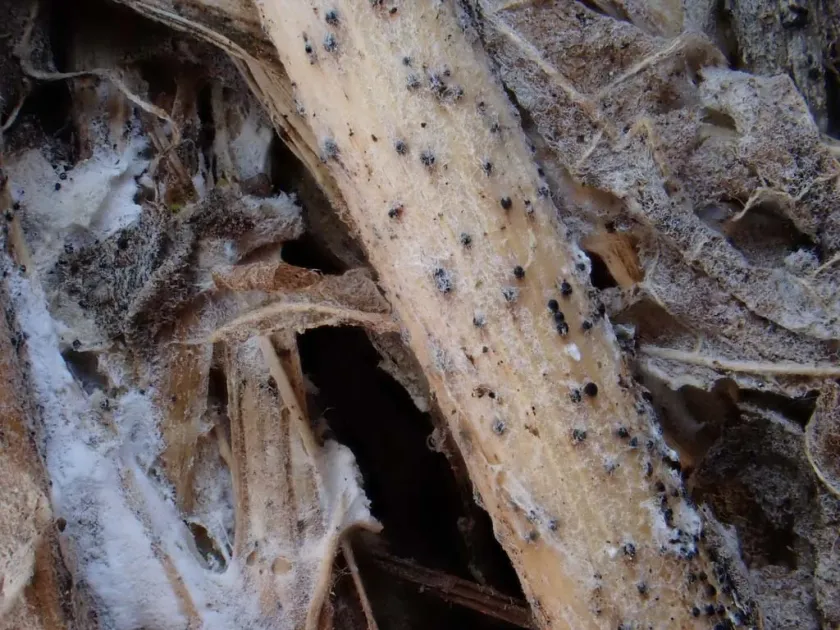
Description
Symptoms
The primary symptom of this infection is the appearance of distinct spots on the fern fronds. These spots often follow the venation of the leaves, reflecting the distribution of the fungus within the vascular system.
As the disease progresses, small, dark, and slightly raised black structures begin to emerge on the surface of the infected areas. These are the apothecia, which signify the active stage of the fungal infection.
The tissue surrounding these spots often becomes chlorotic, transitioning from green to yellow or brown. In severe cases, the infected segments of the fronds will wither and eventually turn completely necrotic.
Visual identification is often aided by the presence of these dark, pin-like structures scattered across the leaf blade. This creates a speckled appearance that distinguishes this disease from common physiological leaf browning.
- Development of localized chlorotic or brown leaf spots.
- Presence of black, raised apothecia on the underside or surface of fronds.
- Premature dieback and curling of affected leaf parts.
Pathogen
The pathogen responsible for this disease is the fungus Leptopeltis filicina, a member of the Ascomycota group. This fungus is a specialized parasite that primarily targets various species of ferns.
The life cycle of the pathogen is closely tied to the host's growth stages. The fungus survives the winter period within the decaying tissues of fallen fern fronds, awaiting favorable conditions for spring activation.
Infection occurs when fungal spores land on the fern's fronds and utilize moisture to germinate. The mycelium then penetrates the plant tissues, establishing itself between the plant cells.
A distinctive characteristic of Leptopeltis filicina is the development of its reproductive structures, known as apothecia. These structures are essential for the survival and further dispersal of the disease.
The fungus acts as a biotroph, extracting nutrients from the host's cells while maintaining the plant in a weakened state to facilitate the continued spread of its infectious material throughout the plant colony.
Conditions for development
The spread of Leptopeltis filicina is highly dependent on environmental moisture. Persistent humidity, fog, or frequent misting of foliage provides the necessary water film for spore germination and infection.
Moderate temperatures generally favor the growth of the fungus. While extremes can slow the pathogen, temperate conditions often seen in nurseries or indoor gardens are ideal for its development.
Poor airflow is a significant contributing factor to the severity of an outbreak. In environments with stagnant air, moisture stays on the leaves for longer periods, significantly increasing the risk of transmission.
High plant density increases the likelihood of fungal transfer from one fern to another. When fronds overlap and remain wet, the spores can easily move via water droplets between neighboring plants.
Mechanical injuries to the fronds, whether from pests or improper handling, serve as entry points for the pathogen, allowing it to bypass the plant's natural protective barriers more rapidly.
Why it matters
The main impact of Leptopeltis filicina is the degradation of the fern's aesthetic value. Since ferns are primarily grown for their delicate foliage, visible spotting significantly reduces their market and decorative appeal.
By damaging the leaf surface, the fungus interferes with the plant's photosynthetic capability. This reduction in energy production hampers the plant's overall vigor and limits the development of new, healthy fronds.
Long-term infestation can leave the fern in a weakened state, making it highly susceptible to other opportunistic pathogens or sap-sucking insects that are attracted to distressed vegetation.
In commercial fern production, this disease can lead to significant economic losses. Growers may be forced to discard entire batches of inventory that have been rendered unsaleable due to the persistent leaf damage.
If left unmanaged, the cumulative stress from repeated infections can stunt the growth of the plant, potentially leading to its eventual decline if the nutritional reserves are exhausted.
Protection
Strict sanitation is the most effective defense against the spread of this fungus. Growers should regularly monitor plants and promptly remove and destroy all infected fronds to minimize the local spore load.
Adjusting irrigation habits is crucial; moving from overhead watering to subsurface irrigation prevents leaves from becoming wet, which breaks the infection cycle for the fungal spores.
Improving greenhouse or indoor ventilation helps keep the foliage dry and limits the humidity levels required by the fungus. Ensuring adequate spacing between plants also facilitates better air movement.
Chemical control can be implemented using fungicides if necessary. Copper-based sprays or systemic fungicides, applied at the first sign of symptoms, can help prevent the spread of the pathogen to healthy tissues.
Maintaining a quarantine protocol for new plants is a vital preventative measure. Introducing infected ferns into an established collection can lead to a rapid outbreak; therefore, new arrivals should be monitored carefully.
Discussion
No discussions yet — be the first.